Two Easy Ways to Start Earning Rewards!
Earn 2X Pals Rewards points at Petco
when you use Petco Pay!
Get It Today
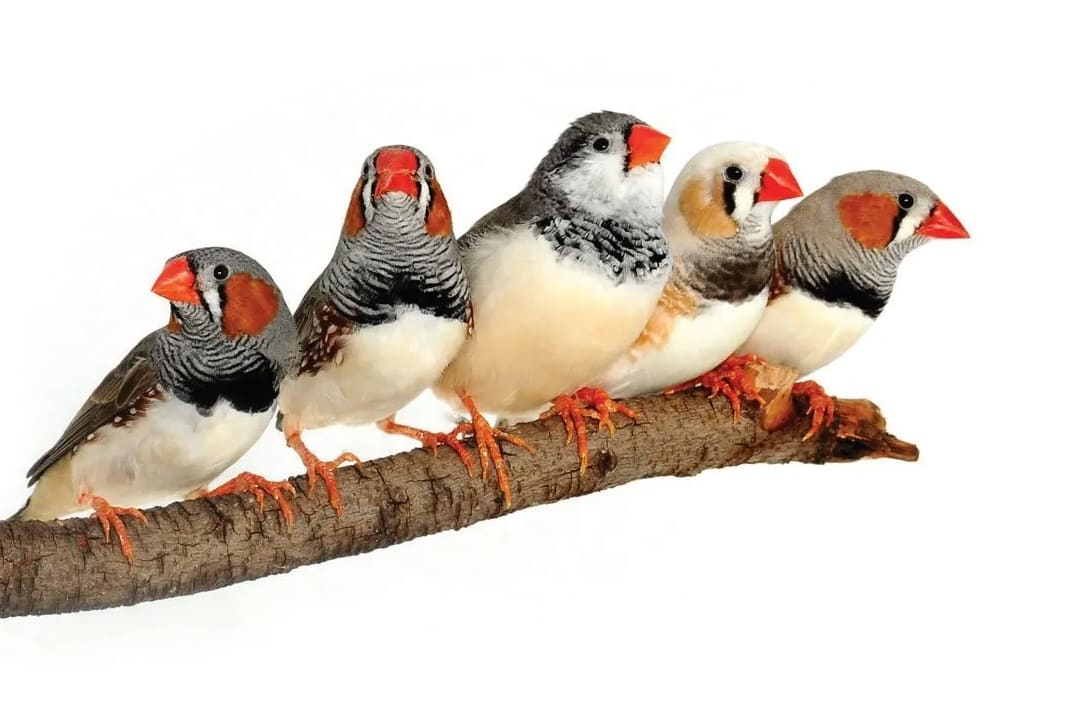
Learn how to take care of your pet Finches, recommended cage size, diet & housing setup. Find the right food, supplies & equipment at your local Petco.
Updated on April 9th, 2026
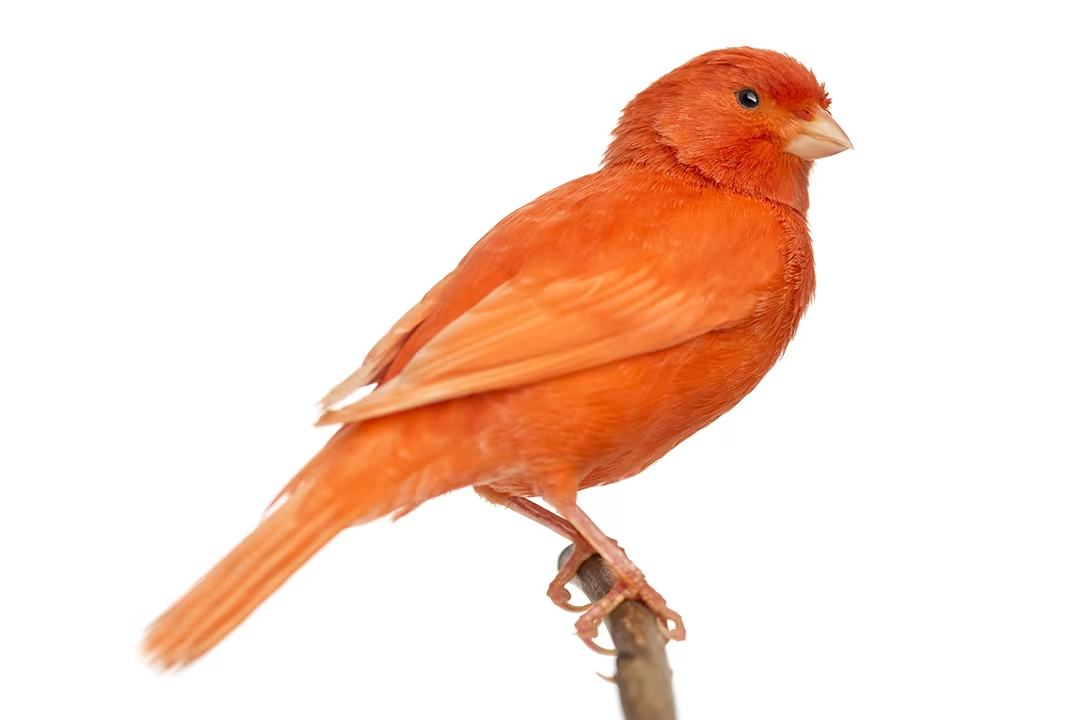
Learn how to care for a Canary, Canary facts, recommended diet and habitat setup. Find the right food, supplies and equipment at your neighborhood Petco.
Updated on April 9th, 2026
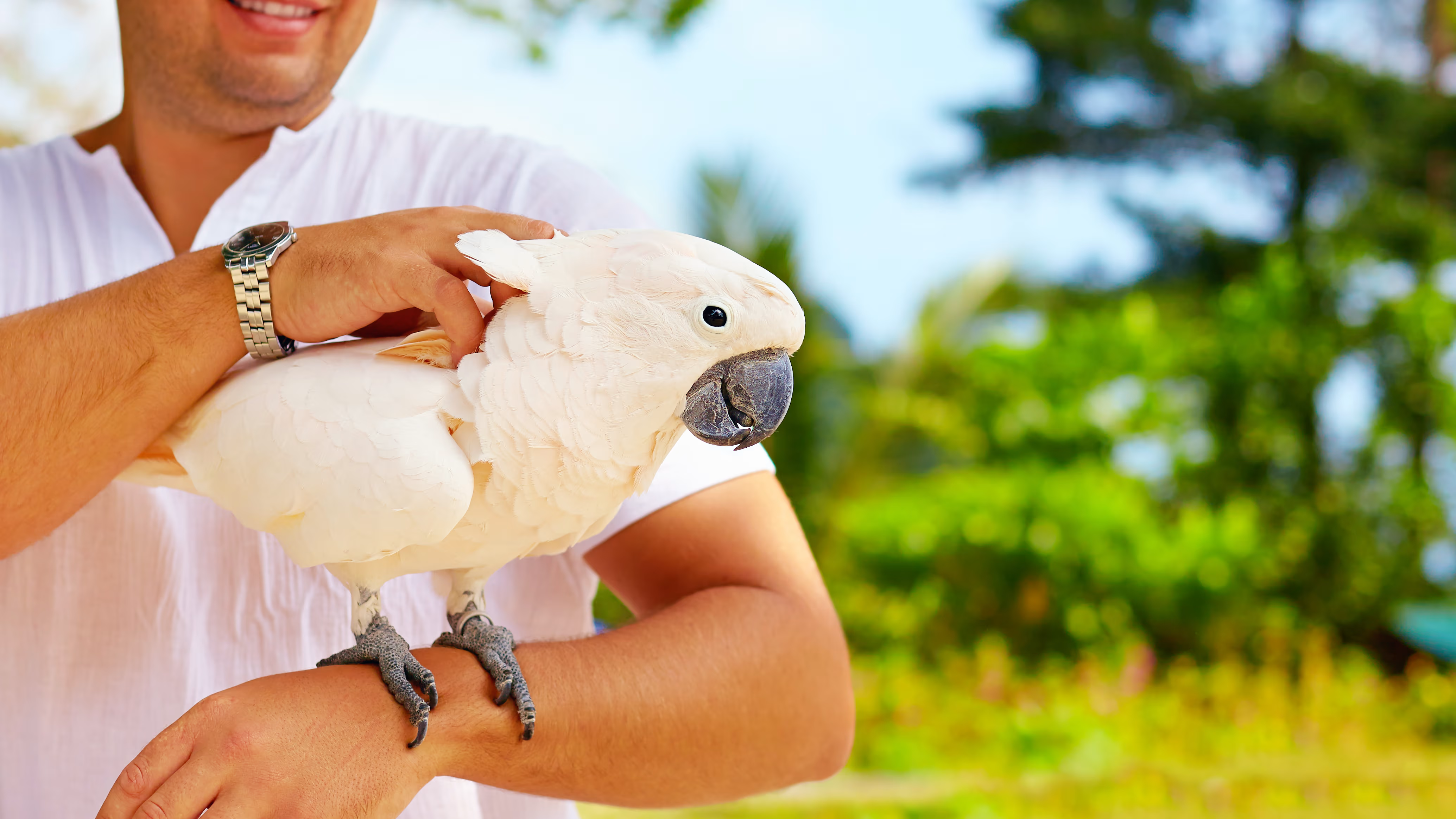
Learn some tips about bringing your new pet bird home for the first time. Find out what supplies and actions will help her feel most at home.
Updated on October 23rd, 2025
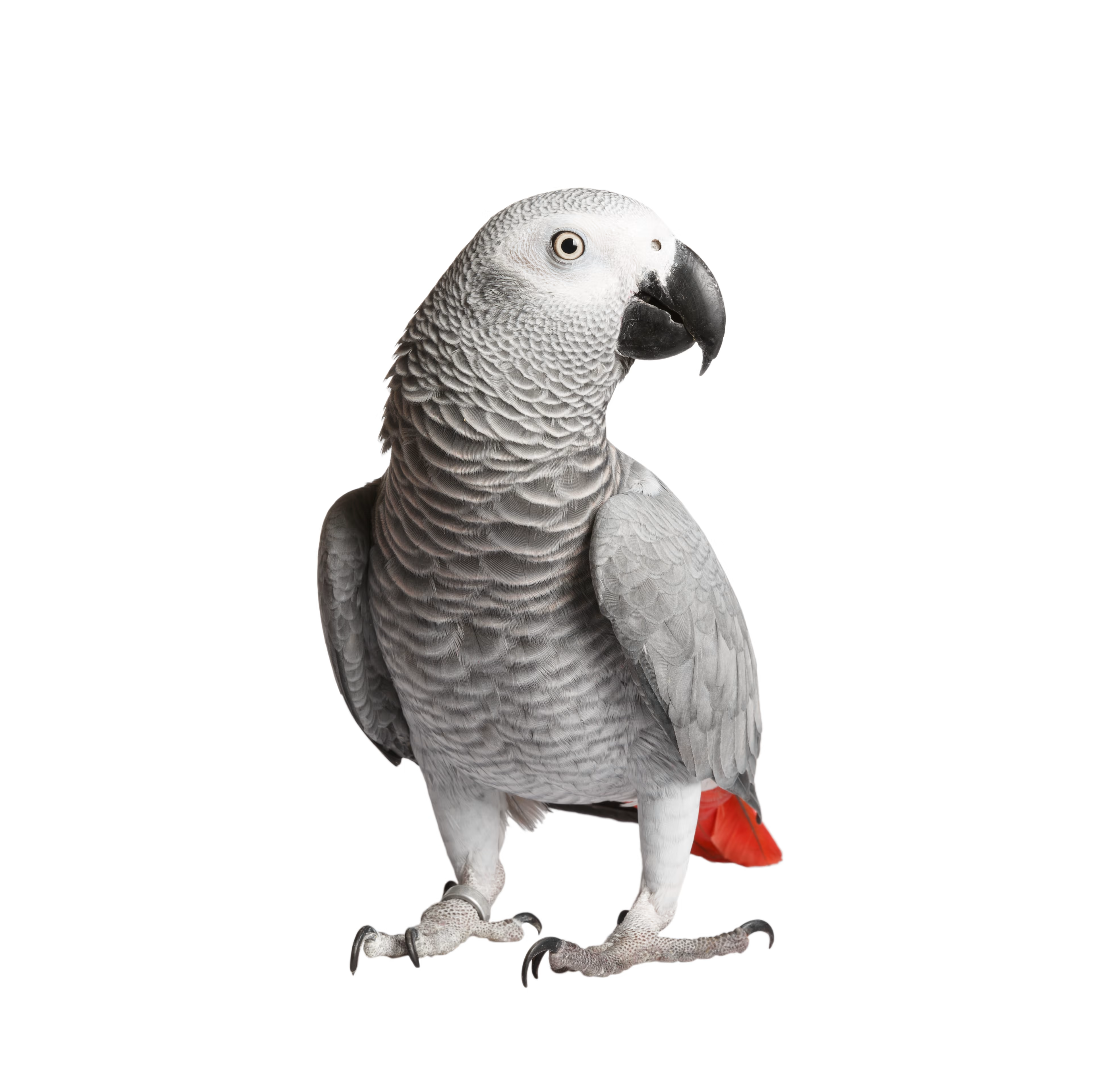
Learn how to take care of large Hookbill, recommended diet and housing setup. Find the right food, supplies and equipment at your neighborhood Petco.
Updated on April 9th, 2026
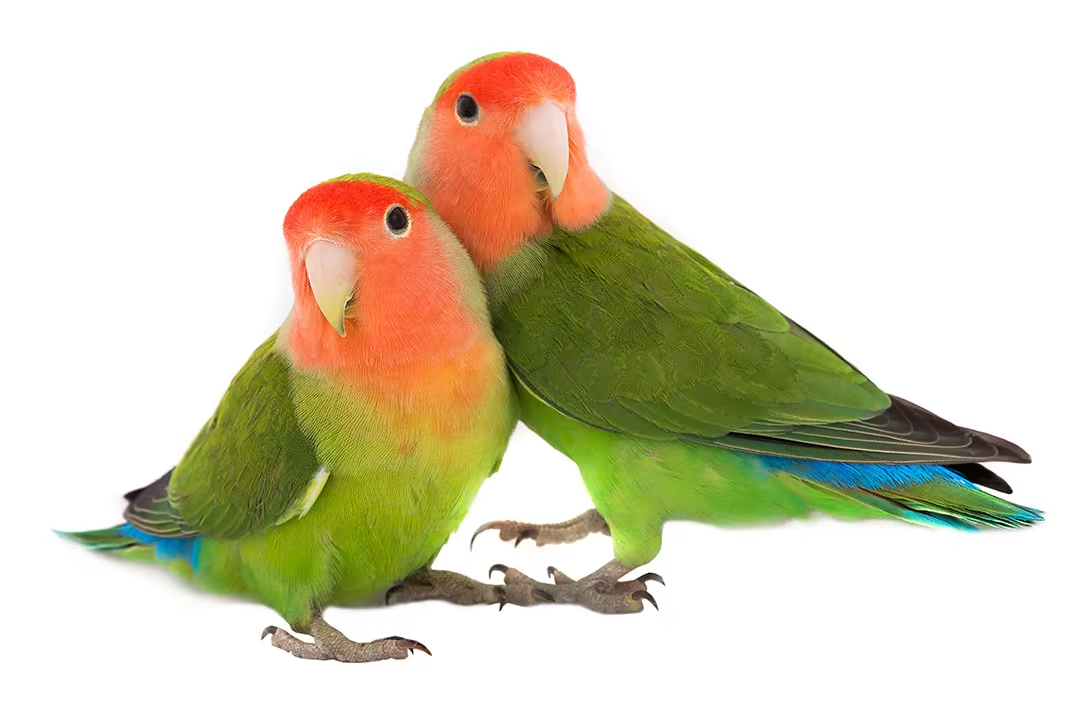
Learn how to take care of your Lovebirds, recommended cage size, diet and housing setup. Find the right food, supplies and equipment at your local ​Petco.
Updated on April 9th, 2026
Without knowing the size of the cage, it is hard to give advice. If they have a large flight cage where they can easily move around and exercise, then that may be enough. Adding in some fun toys to explore, moving dishes and toys around or rotating them out, offering treats to chew on, etc can all help increase enrichment and make things more fun for your birds. If they're kept in very small cages, then looking for a playpen that can fit in the room or on top of the cage may be nice for your birds to climb on or play on. However, finches tend to explore more and may want to fly around, so it is best to make sure they are only let loose in rooms where they can easily be caught again and cannot fly into windows, doors, or other dangerous objects that can cause injury or death.
Updated on September 24th, 2025

Thanks for reaching out. Sound like you have a full house. 1. Birds will often bond together but continue to work with them in a quiet environ, offering treats to win and re-enforce trust. Toys, the radio or tv, can all assist with boredom. Setting up foraging toys so birds need to spend time looking for food. 2. There is no such thing as too big a cage. 3. Heating rocks are rarely approved for use, as they will eventually become faulty and get too hot, potentially damaging the animal. A heat lamp is recommended. 4. The bunny's litter box should be spot cleaned daily and full clean weekly. If you can smell it you waited too long. Good luck.
Updated on September 24th, 2025
Feed a good quality pelleted diet (Harrison's, Roudybush, Lafeber, Pretty Bird or Exact) supplemented with a fortified seed mix and fresh greens and vegetables. Provide a cuttlebone or mineral block. Always have fresh water available. Provide an appropriately sized nesting box and suitable nesting material (straw, Aspen shaving, shredded newspaper, etc.).
Updated on September 24th, 2025
Ideally, the more space the better, and three birds should have a flight cage that is big enough for them to fly back and forth horizontally in (finches tend to like horizontal rather than vertical cages). You also want to make sure each bird has their own access to food, water, and bedding areas, with dividers such as perches or toys to break up the space and prevent fighting over territory. If you do introduce a new bird, make sure to keep him separated for a week first to prevent the spread of any illness, and to make sure he is healthy enough to be added to the flock before doing so.
Updated on September 24th, 2025
Thank you for using Petco Pet Education Center, formerly Petcoach! The signs you describe are consistent with over grooming, likely from the other bird. This may be due to boredom or overly dominant nature of the cage mate. You can try to provide additional toys and perches in the cage, keep the light cycle in the room stable, and provide a nesting box. I hope this helps and am happy to answer any other questions you may have!
Updated on September 24th, 2025