Expert rated. Pet parent approved.
30% OFF select Hill’s Science Diet dog and cat food
FREE Pet-Friendly Events
FREE microchipping brought to you by Hill’s
Two Easy Ways to Start Earning Rewards!
Earn 2X Pals Rewards points at Petco when you use Petco Pay!
We have the tips, supplies and expert guidance you need for all your milestones together.
Get It Today
(66) reviews
$9.99
(25) reviews
$10.99
(20) reviews
(58) reviews
$15.49
(50) reviews
$5.99
(427) reviews
$11.99
(83) reviews
(8) reviews
(114) reviews
(15) reviews
$12.49
(254) reviews
$273.62
+ More Choices Available
(132) reviews
(257) reviews
(54) reviews
$7.49
(33) reviews
(69) reviews
$89.99
(10) reviews
(12) reviews
$625.94
(31) reviews
(55) reviews
$14.99
(67) reviews
N/A
(73) reviews
$3.99
(164) reviews
$18.99
(0) reviews
$22.49
(90) reviews
$19.99
(100) reviews
(96) reviews
$17.99
(47) reviews
(45) reviews
$12.99
(145) reviews
(65) reviews
$16.49
(44) reviews
(4) reviews
(85) reviews
(118) reviews
(34) reviews
$7.99
(49) reviews
(2) reviews
$133.02
(199) reviews
$174.59
$6.99
(51) reviews
(24) reviews
(7) reviews
$6.49
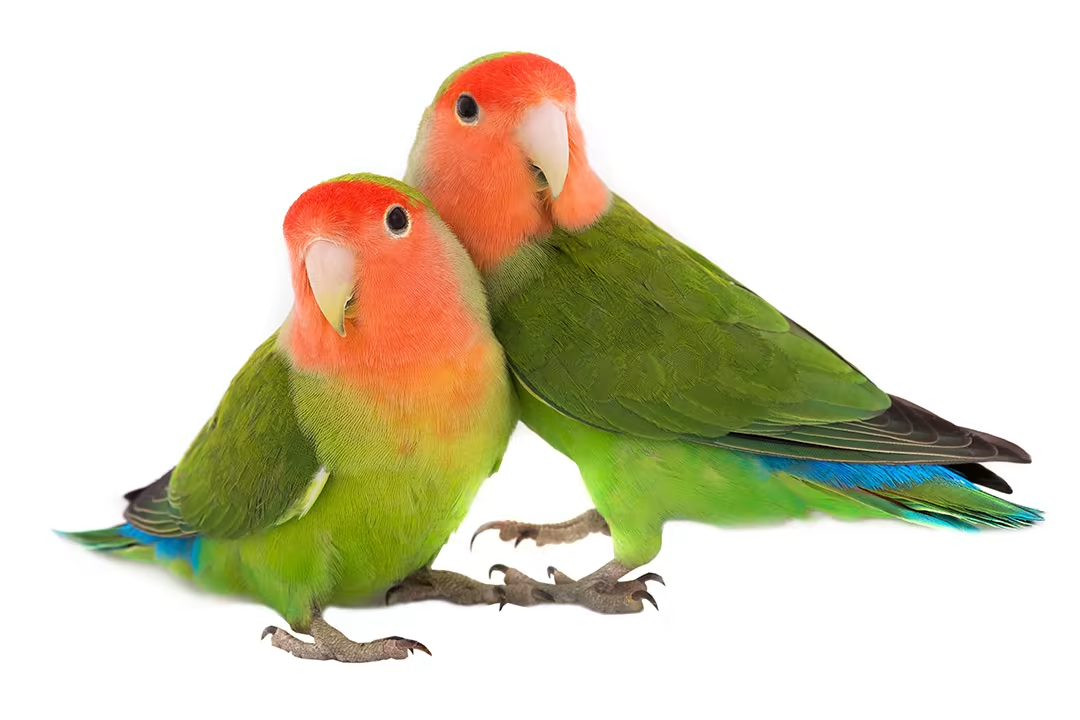
Learn how to take care of your Lovebirds, recommended cage size, diet and housing setup. Find the right food, supplies and equipment at your local ​Petco.
Updated on April 9th, 2026
Learn some tips about bringing your new pet bird home for the first time. Find out what supplies and actions will help her feel most at home.
Updated on October 23rd, 2025
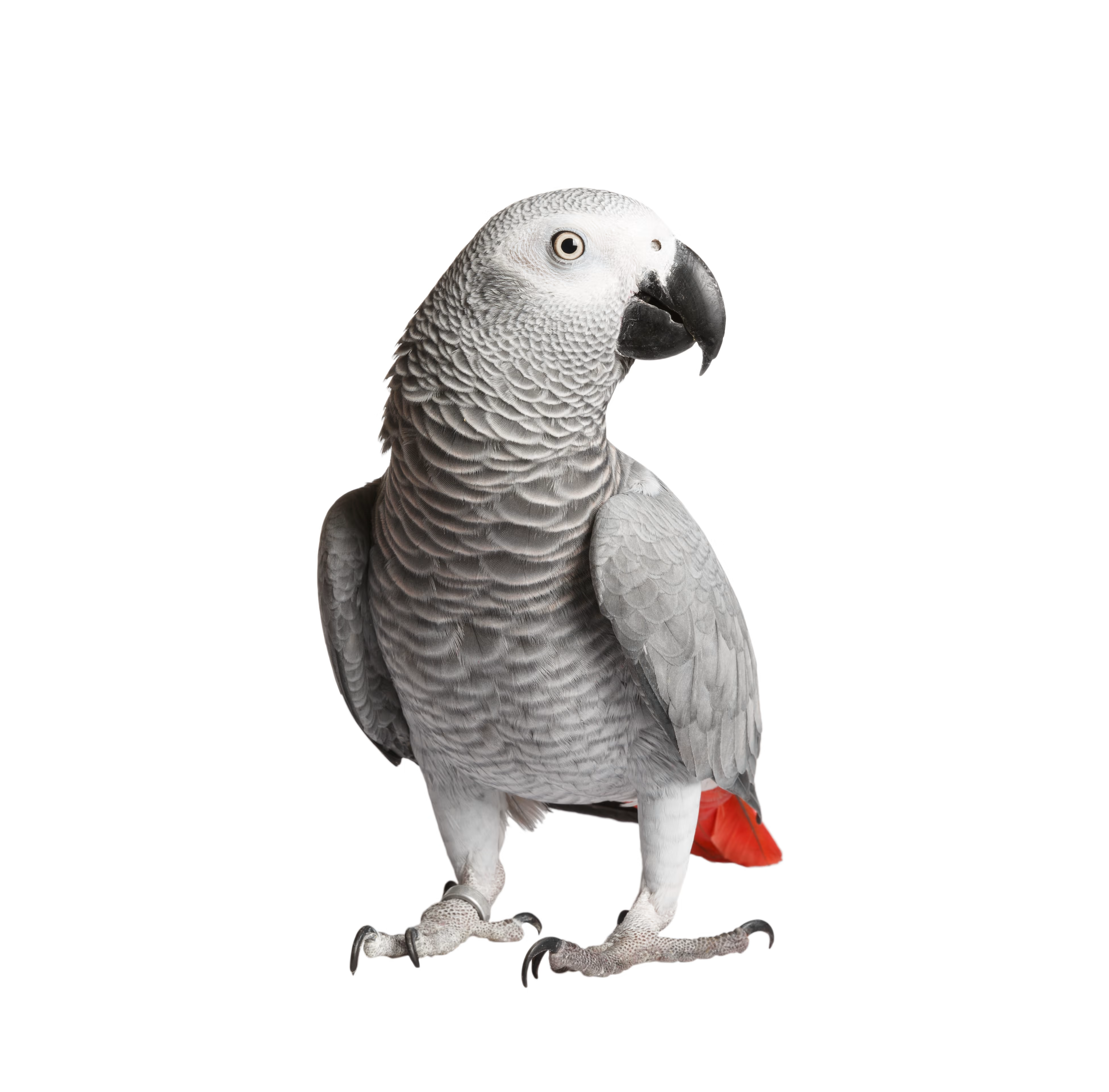
Learn how to take care of large Hookbill, recommended diet and housing setup. Find the right food, supplies and equipment at your neighborhood Petco.
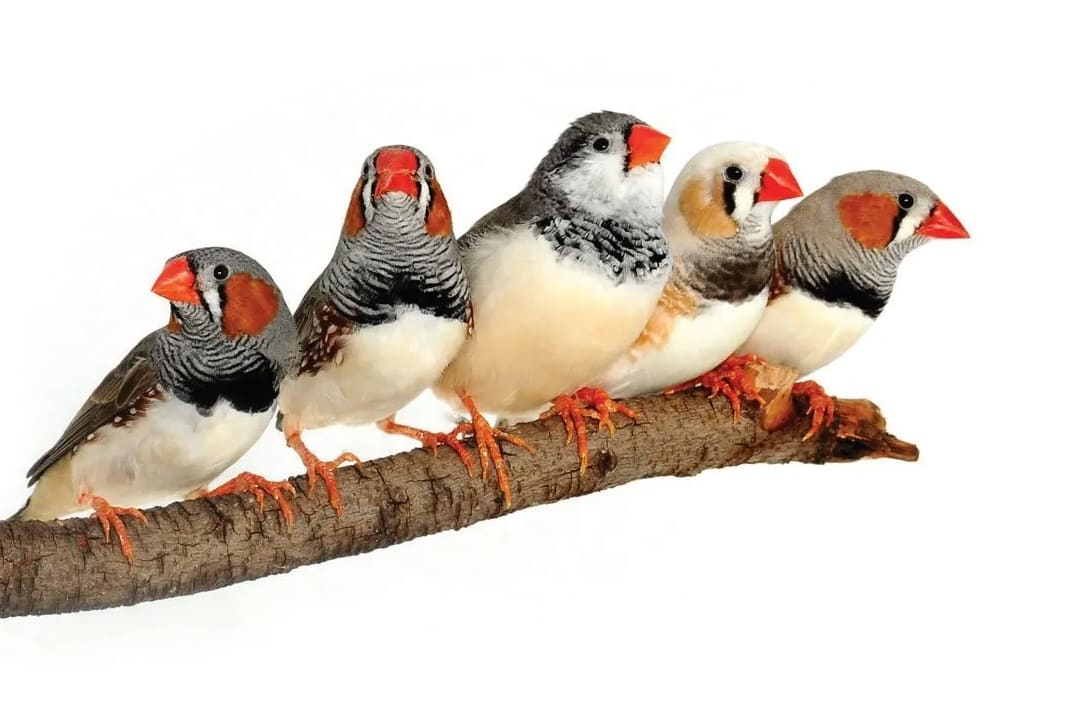
Learn how to take care of your pet Finches, recommended cage size, diet & housing setup. Find the right food, supplies & equipment at your local Petco.
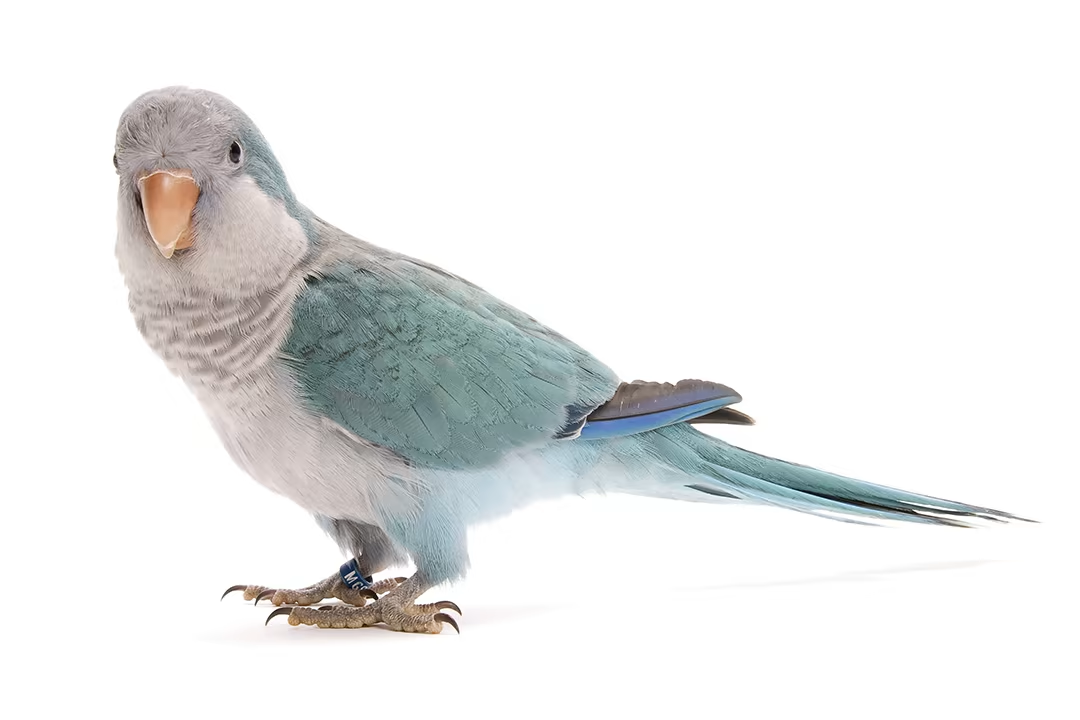
Learn how to care for a medium-sized parakeets, recommended diet & bird cage setup. Find the right food, supplies & equipment at your neighborhood Petco.
Congratulations on your new pets! Lovebirds can live between 10-15 years if properly cared for. You should have several perches of different diameters and materials in their cage, a cuttlebone to keep their beaks trimmed, and some toys that are variable (some destructible toys such as crinkle paper are okay as well). You can also offer some leafy greens and fruits/veggies. I hope this helps and am happy to answer any other questions you may have!
Updated on September 24th, 2025
Harrison's Bird Diet is the best food out there. It is pelleted so there can be some resistance from your bird transitioning to the new diet if he has been on a seed diet, but it is nutritionally complete and very high quality. Toys I find that lovebirds like have been cotton rope toys that they can preen and groom like the feathers of another bird.
Some toys or changes to the environment are definitely a great way to help reduce boredom. You can look for toys that are soft or fuzzy to encourage preening and chewing behavior, or toys that can move around such as swings or bendy ladders for exercise. Treats that have to be pecked at are also great enrichment. Just be sure to choose toys that are designed for your bird's size and activity level. If you have a pair, you may also want to add in a nest or some nesting material to encourage building and give them extra enrichment.
If your lovebirds are having diarrhea a good first step is to remove any extras such as treats, fruits, and veggies for a few days as these can cause diarrhea in some birds. Making sure they are on a lovebird diet. [This shop page](https://www.petco.com/shop/en/petcostore/category/bird/bird-food-and-treats#facet:430577611111810198105114100&productBeginIndex:0&orderBy:&pageView:grid&minPrice:&maxPrice:&pageSize:&) can give you some examples is best for optimal care. If the diarrhea continues, deworming the birds to remove any parasites is another step you can take, however if the problem persists it is best to bring them into a vet for an exam and care to rule out any more serious issues such as illness or infection.
Birds can be fun pets to have around the house, but I have to say that they are all high-maintenance. They require daily feeding, cleaning bathing and appropriate enrichment in order to keep them happy and healthy. If this is not provided, then you may end up with a miserable/sickly bird with no feathers. Vet bills can be very expensive when birds get sick, because there are limited veterinarians that are knowledgable and skilled with avian medicine. Providing as much space as possible is best for a bird. I think I have an idea of the type of cage you want, but this is not a very suitable cage for anything other than a small bird (tend to have shorter life-spans than bigger birds). Even then it's quite small for a bird, because birds are born with the expectation of having unlimited space. You will also have to consider the noise. If your place is small, then I'd assume you have close neighbors. Birds are generally very noisy and can easily make some enemies in close quarters. Unfortunately, there is not a pet bird that completely meets your criteria, but if you are determined to get a bird, then a Budgie would likely be the best option. Below are a couple of links with some more information about Budgies and caring for birds. http://www.budgerigar.com/ http://www.budgie-info.com/budgie-care.html I hope that helps and all goes well.