Two Easy Ways to Start Earning Rewards!
Earn 2X Pals Rewards points at Petco
when you use Petco Pay!
Get It Today
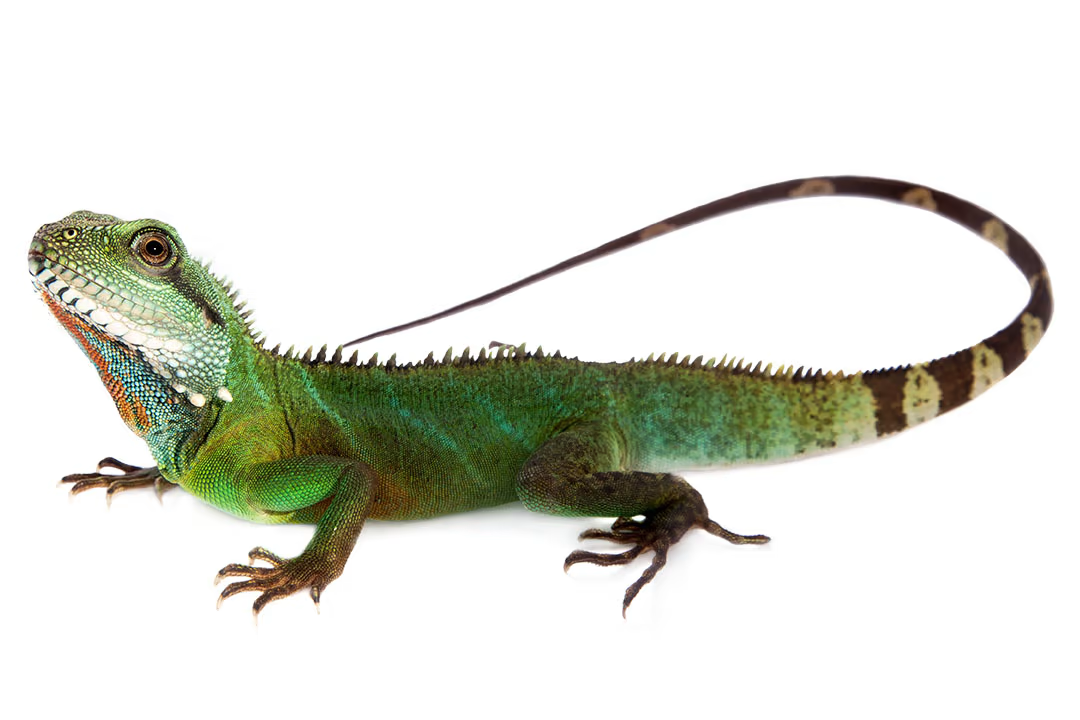
Learn how to care for tropical lizards, recommended diet & habitat setup. Find the right food, supplies & equipment at your neighborhood Petco.
Updated on April 9th, 2026
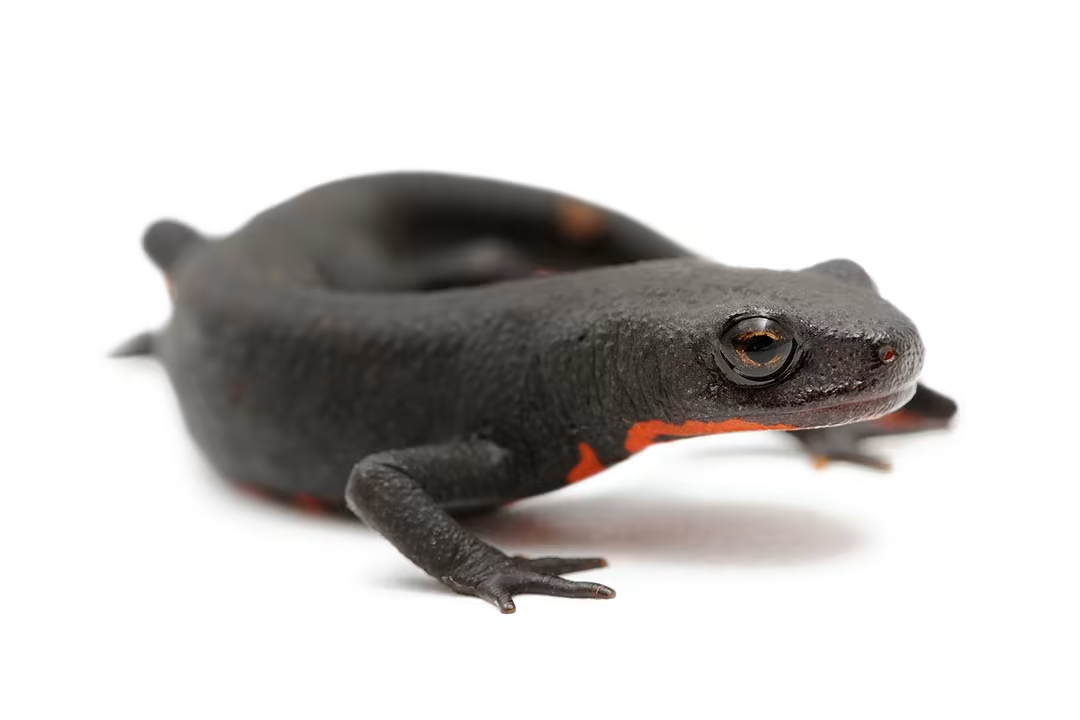
Learn How to Care for a Salamander & Newts, recommended diet and habitat setup. Find the right food, supplies and equipment at your neighborhood Petco.
Updated on April 9th, 2026
Learn how to thaw frozen mice for feeding time. Find out how to safely prepare and clean up after frozen meals at Petco.
Updated on December 16th, 2025
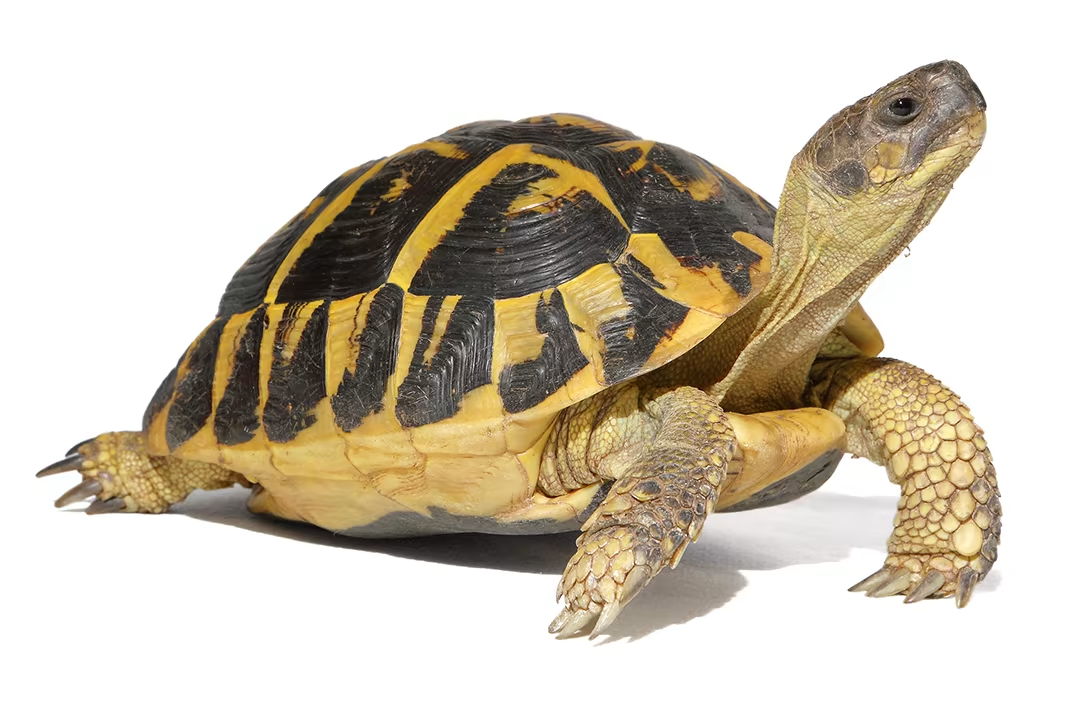
Learn how to take care of your Hermann's Tortoise, tank size, diet & habitat setup. Find the right food, supplies and equipment at your neighborhood Petco.
Updated on April 9th, 2026
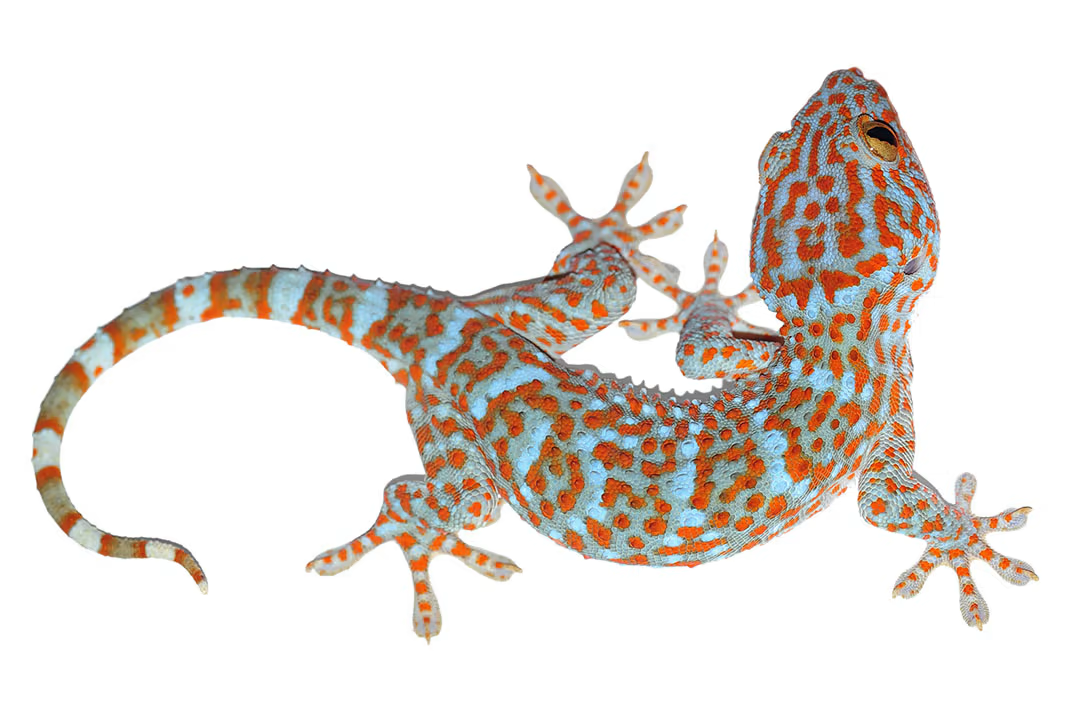
Learn how to care for a Tokay Gecko, recommended diet & habitat setup. Find the right food, supplies & equipment at your neighborhood Petco.
Updated on April 9th, 2026
Thanks for reaching out about Carmine. Not sure what type of food you are searching for, a powder to top-coat insects. A variety of insects can be offered, and gut loaded. Vitamin D3 can be over supplemented so powdered should only be used once weekly. Exposure to ultraviolet B radiation is very important for the absorption of calcium in the intestinal tract. Catch insects outdoors, as long as your not spraying. Good luck.
Updated on September 24th, 2025
Have him examined by your veterinarian or an experienced herp vet to diagnose and treat any infection related to the loss of the tail. In the meantime, increase tank temps by about 5-10 degrees F, soak daily in a warm 50/50 solution of water and unflavored PediaLyte for 20 minutes. Once he warms up and rehydrates, offer appropriately sized prey. Gutload prey for 24 hours prior to offering to maximize nutritional value. Supplement with a product such as Fluker's Repti-Boost to get weight back on him. You can clean the stump with diluted betadine or chlorhexidine. Use paper towels for substrate until the stump is healed.
Updated on September 24th, 2025
He is likely suffering some degree of nutritional deficiency. He should be examined by an experienced herp veterinarian. Blood work may diagnose calcium deficiency. Submit a stool sample to diagnose intestinal parasites. Calcium injections, deworming and subcutaneous fluids may all be indicated. He should be eating a varied diet including kingworms, crickets and larger prey such as pinky or fuzzy mice. Adequate heat is necessary for proper digestion. Keep daytime temperature between 85 F and 95 F. Nighttime temps can be set about 10 degrees lower. A UVB light source should also be provided to maximize calcium metabolism and utilization. . You can follow the link for more information regarding care of monitors: http://www.anapsid.org/savannah.html
Updated on September 24th, 2025
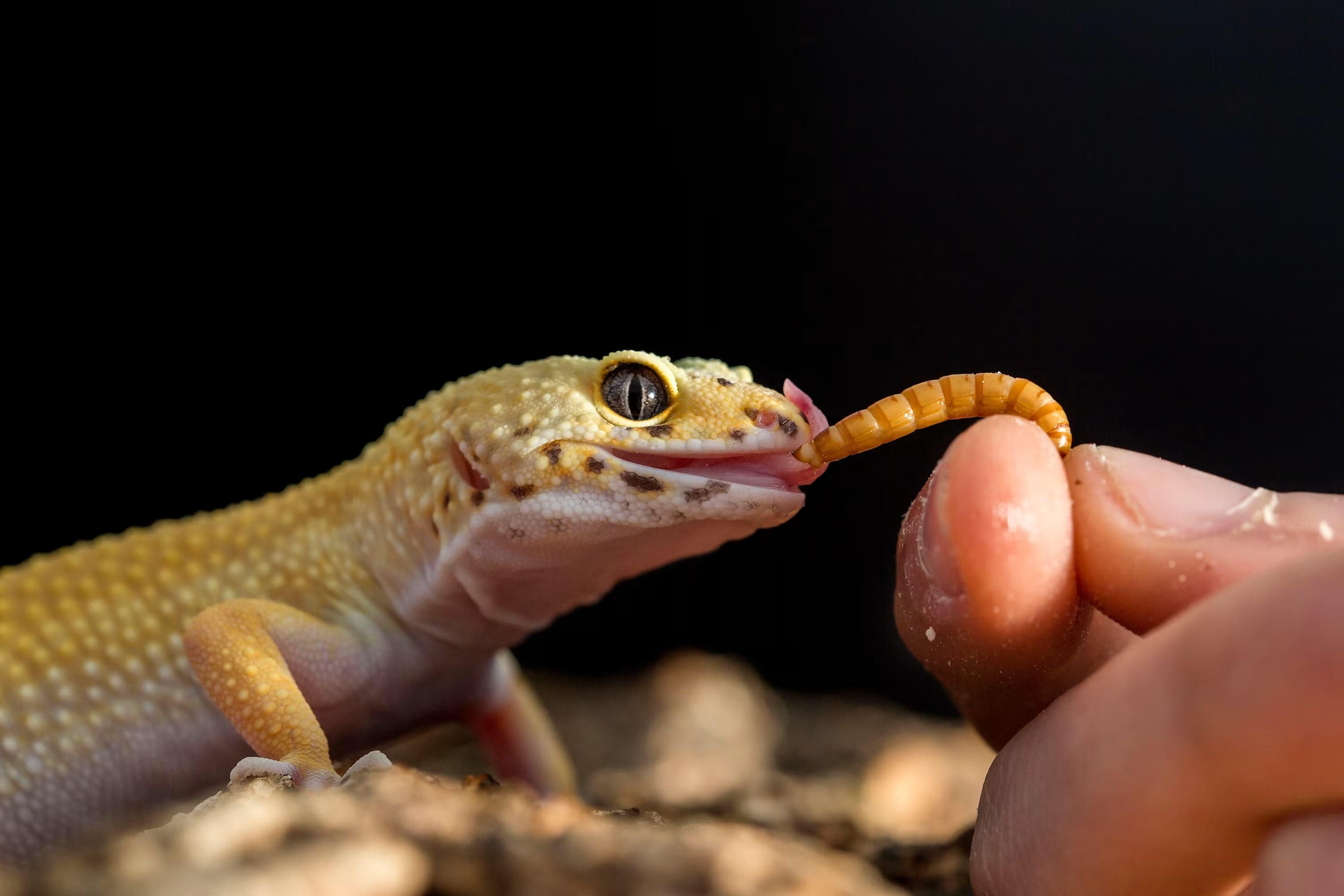
Give him a good soak (20-30 minutes) in a warm 50/50 solution of water and unflavored PediaLyte. This will provide hydration and warm him up which may stimulate his appetite. An exam with your veterinarian or an experienced herp vet is always recommended for "new" pets or pets that may be ill or injured. Offer food about an hour or 2 after the heat lamp comes on in the morning. This will allow him to warm up and he will be more likely to eat what is offered. Use a variety of prey if possible. This can include crickets, dubia roaches, phoenix worms and the occasional superworm. Superworms are good to feed if you have a skinny gecko that needs to put on weight. Review additional care info here: http://www.anapsid.org/leopardgek.html
Updated on September 24th, 2025
The tank may be too cold. If so, Rita will stay on the mat. Low temps can affect appetite and activity in reptiles. Maintain a basking spot temperature in the 90s F. This will produce a gradient of the mid 70s to 80s in the rest of the cage. You can soak her in a warm 50/50 solution of water and unflavored PediaLyte. This will warm her up and treat or prevent mild dehydration. Feed appropriately sized prey. Crickets or dubia roaches are recommended over mealworms for juvenile geckos. They should be no bigger than the space between her eyes. Gut load them for 24 hours prior to offering to maximize nutritional value.
Updated on September 24th, 2025