Two Easy Ways to Start Earning Rewards!
Earn 2X Pals Rewards points at Petco
when you use Petco Pay!
Get It Today
Learn how to setup your reptiles terrarium to ensure your reptile lives a wholesome & happy life. Shop at your local Petco for all reptile terrarium needs.
Updated on July 17th, 2026
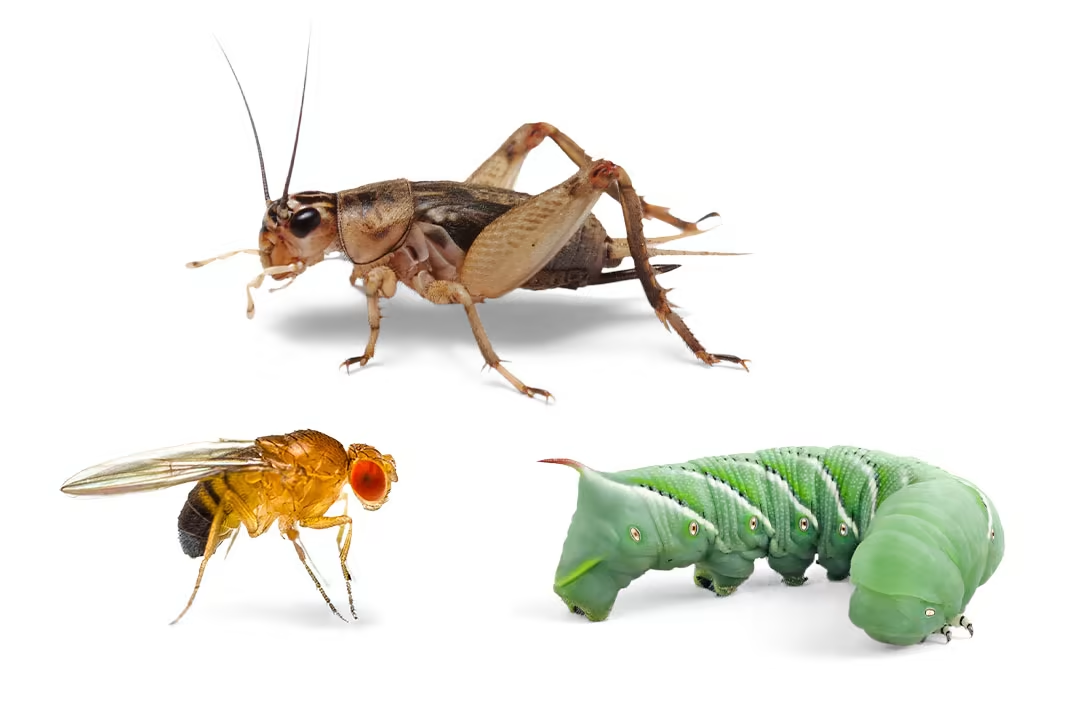
Learn about live insects for reptile feeding, recommended diet & habitat setup. Find the right food, supplies & equipment at your neighborhood Petco.
Updated on April 9th, 2026
Explore our tips about what to keep in mind when choosing the right pet reptile for your family. Consider what they need to stay happy and healthy.
Updated on October 23rd, 2025
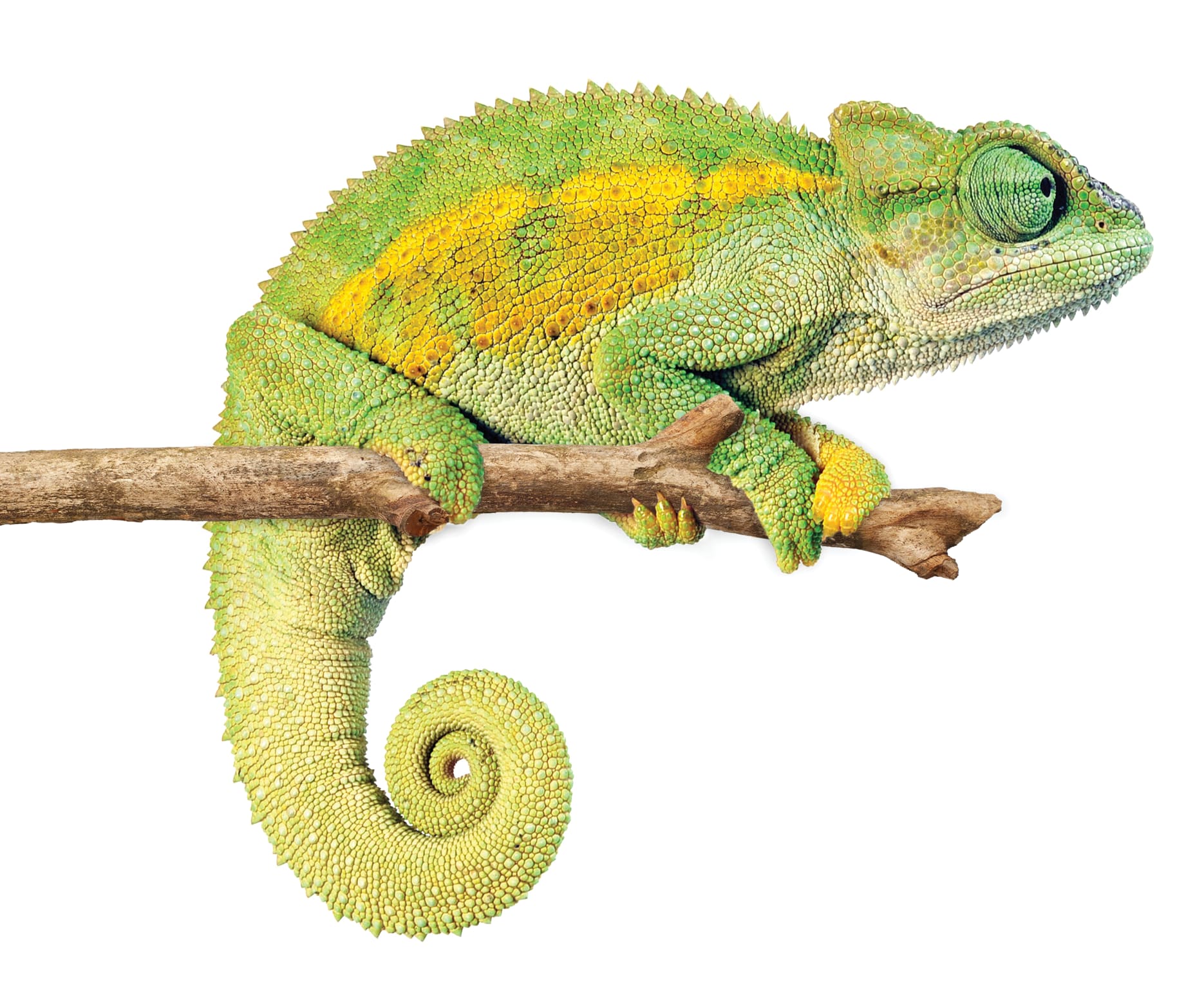
Learn how to care for cool climate Chameleons, recommended diet & habitat setup. Find the right food, supplies & equipment at your neighborhood Petco.
Updated on April 9th, 2026
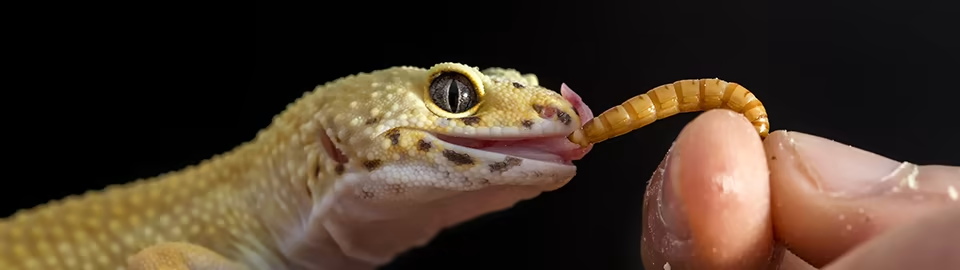
Do you have questions about what to feed a reptile? Petco has the answers! Visit us to learn about reptile dietary needs.
Updated on July 17th, 2026
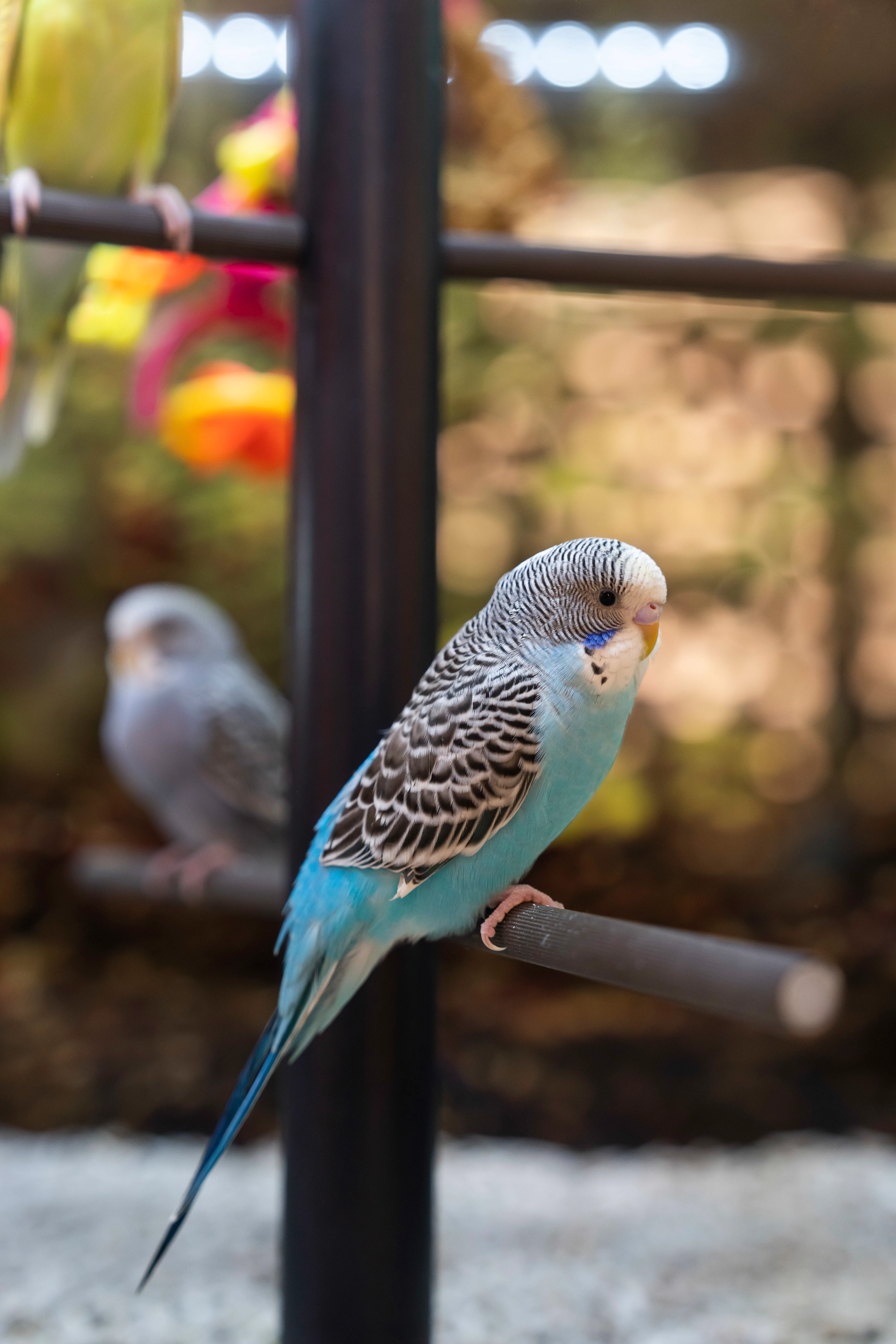
I would check with MPI for these legal requirements. There are certain animals that cannot be imported into the country due to biosecurity, and depending on which bird or reptile you want to keep, there will be different legal requirements.
Updated on September 24th, 2025
It does appear to be of the takydromus species. These grass lizards are common and fairly easy to keep. Being adept climbers, more vertical space should be offered in an enclosure. Branches and vines can be placed for climbing. Bring reptiles, they need an external heat source and UVB lighting. Daytime temps can range from 24 C to 30 C (75-85 F). Provide a basking spot of around 35 C to 38 C (95-100 F) using a heat lamp. Aim for 70-80% humidity. Provide a shallow bowl for water. Mist the cage daily. Feed appropriately sized prey, no bigger than the space between the eyes, that have been gutload for 24 hours prior to offering. This will maximize nutritional value. Crickets, mealworms, dubia roaches, waxworms or wingless fruit flies can all be offered. Dust prey with a calcium supplement and a multivitamin supplement several times weekly. Ideally, the wound should be addressed by a veterinarian experienced in treating reptiles. You can clean it with dilute Betadine or chlorhexidine solution daily and monitor for redness, bleeding, lethargy or decreased appetite.
Updated on September 24th, 2025

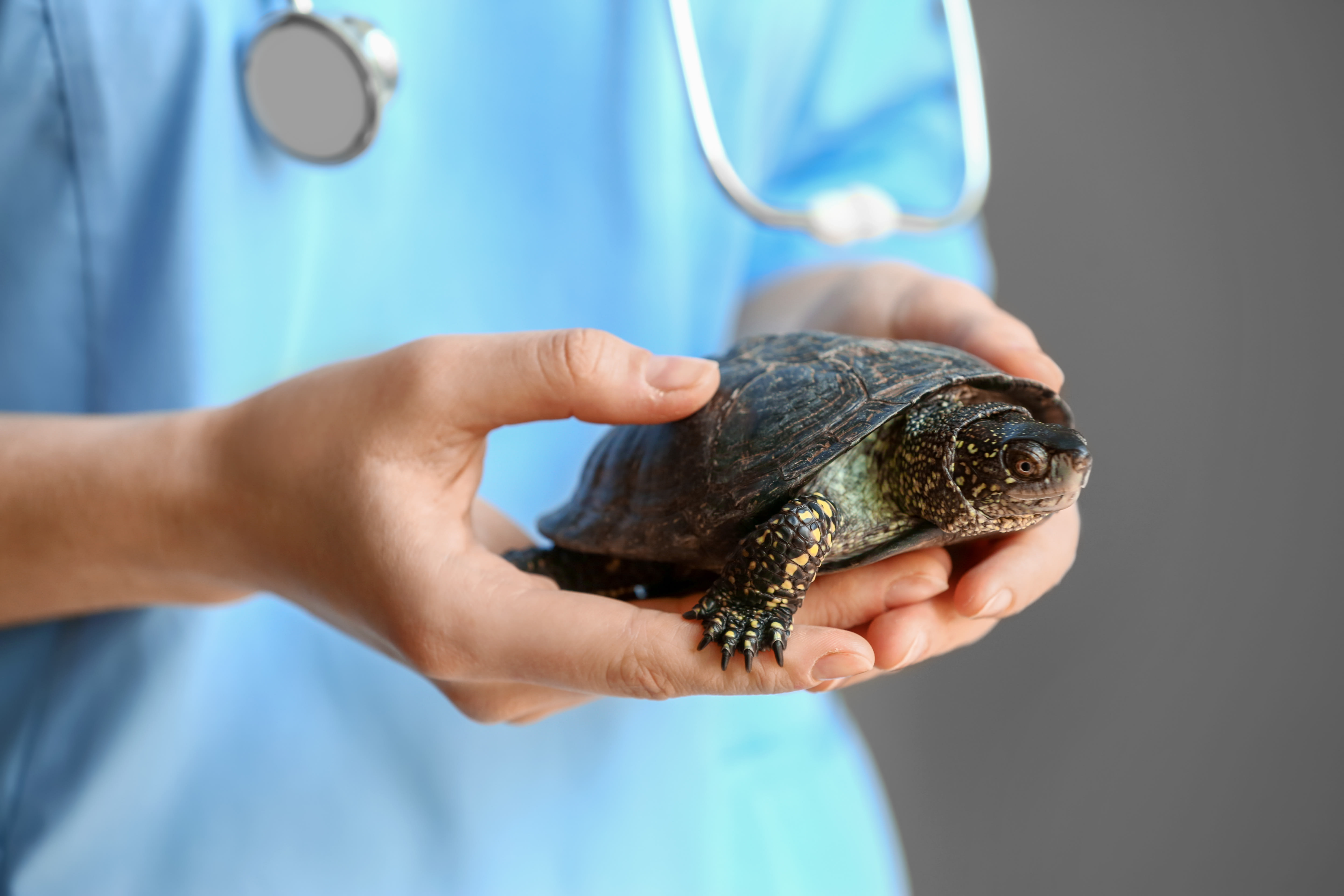
What you have appears to be an aquatic/semi-aquatic species of turtle. Basic requirements include a tank of at least 10 gallons initially, a water heater, a water filter, a basking area out of the water, a heat lamp and a UVB light source.
Updated on September 24th, 2025
Keep him warm and as stress free as possible. If he is on loose substrate, switch him to slate, paper towels or reptile carpeting to prevent material from sticking to his vent. Submit a stool sample to your veterinarian to diagnose intestinal parasites.
Updated on September 24th, 2025
One of the most reliable sites for beardie care is found at the link below. http://www.anapsid.org/bearded.html You can find additional information here: http://www.reptilesmagazine.com/Care-Sheets/Lizards/Bearded-Dragon/ Provide heat, UVB lighting, water and a balanced diet while she recovers and beyond. Once she is healthy again, acclimate her to your presence slowly then gradually introduce her to handling by holding her for ever increasing periods of time.
Updated on September 24th, 2025