Two Easy Ways to Start Earning Rewards!
Earn 2X Pals Rewards points at Petco
when you use Petco Pay!
Get It Today
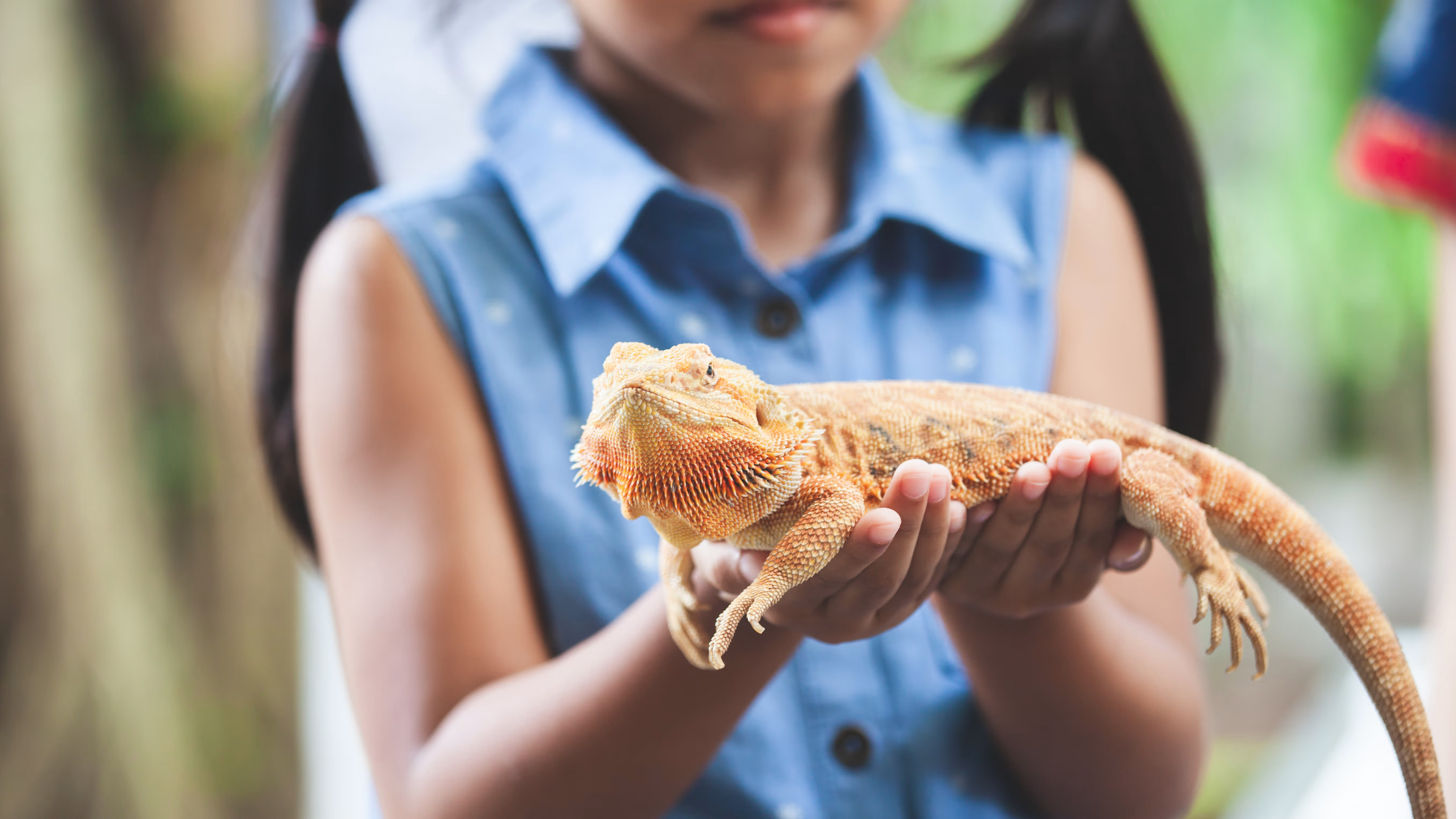
Do you have questions about what to feed a reptile? Petco has the answers! Visit us to learn about reptile dietary needs.
Updated on July 17th, 2026
Learn how to thaw frozen mice for feeding time. Find out how to safely prepare and clean up after frozen meals at Petco.
Updated on December 16th, 2025
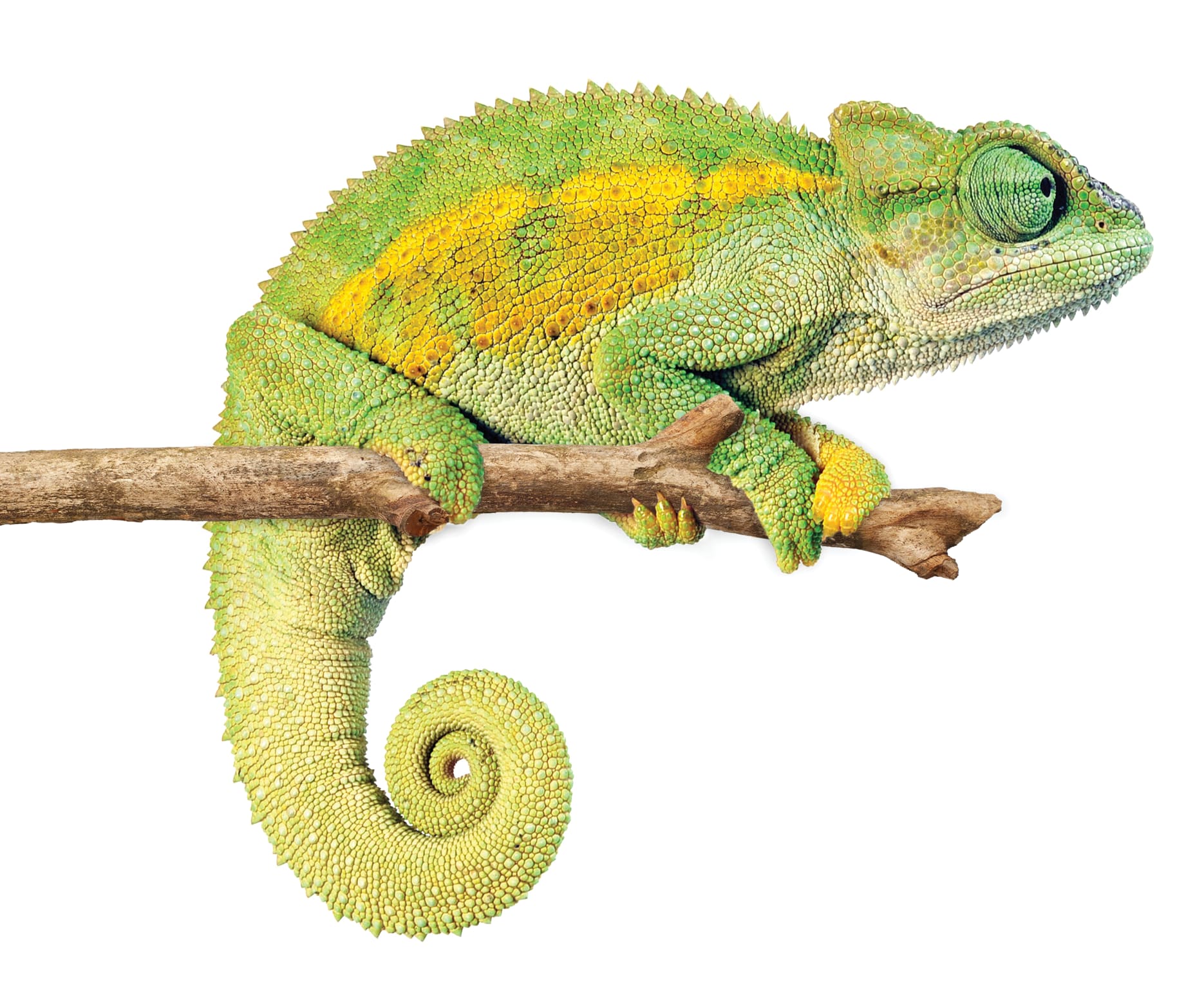
Learn how to care for cool climate Chameleons, recommended diet & habitat setup. Find the right food, supplies & equipment at your neighborhood Petco.
Updated on April 9th, 2026
When it comes to reptile habitats, one of the most essential elements to creating a happy home for your pet is including the appropriate type of lighting. Zoo Med helps outline which lights are right for your pet.
Updated on July 17th, 2026
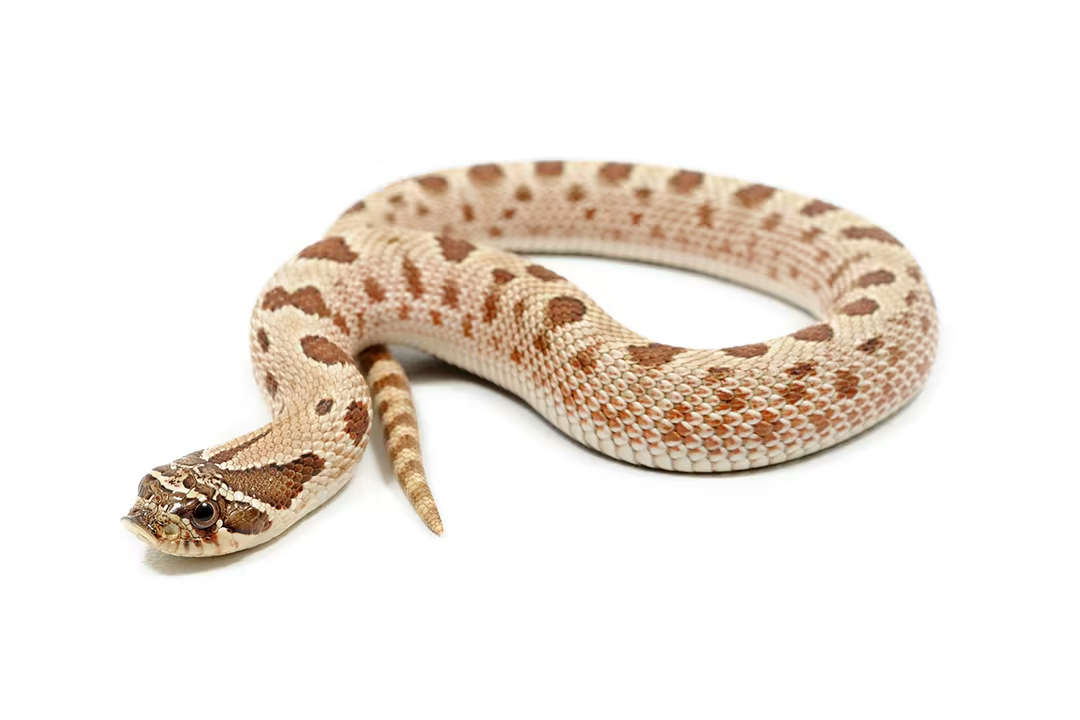
Learn how to care for a Western Hognose Snake with tips on habitat setup, diet, and handling to keep your pet healthy and happy.
Updated on April 9th, 2026
You can certainly feed Nagini 2 or even 3 pinky mice if she will eat them and depending on their size. However, you would likely be better off feeding her one fuzzy to ensure she is getting enough nutrition from a single prey item.
Updated on September 24th, 2025
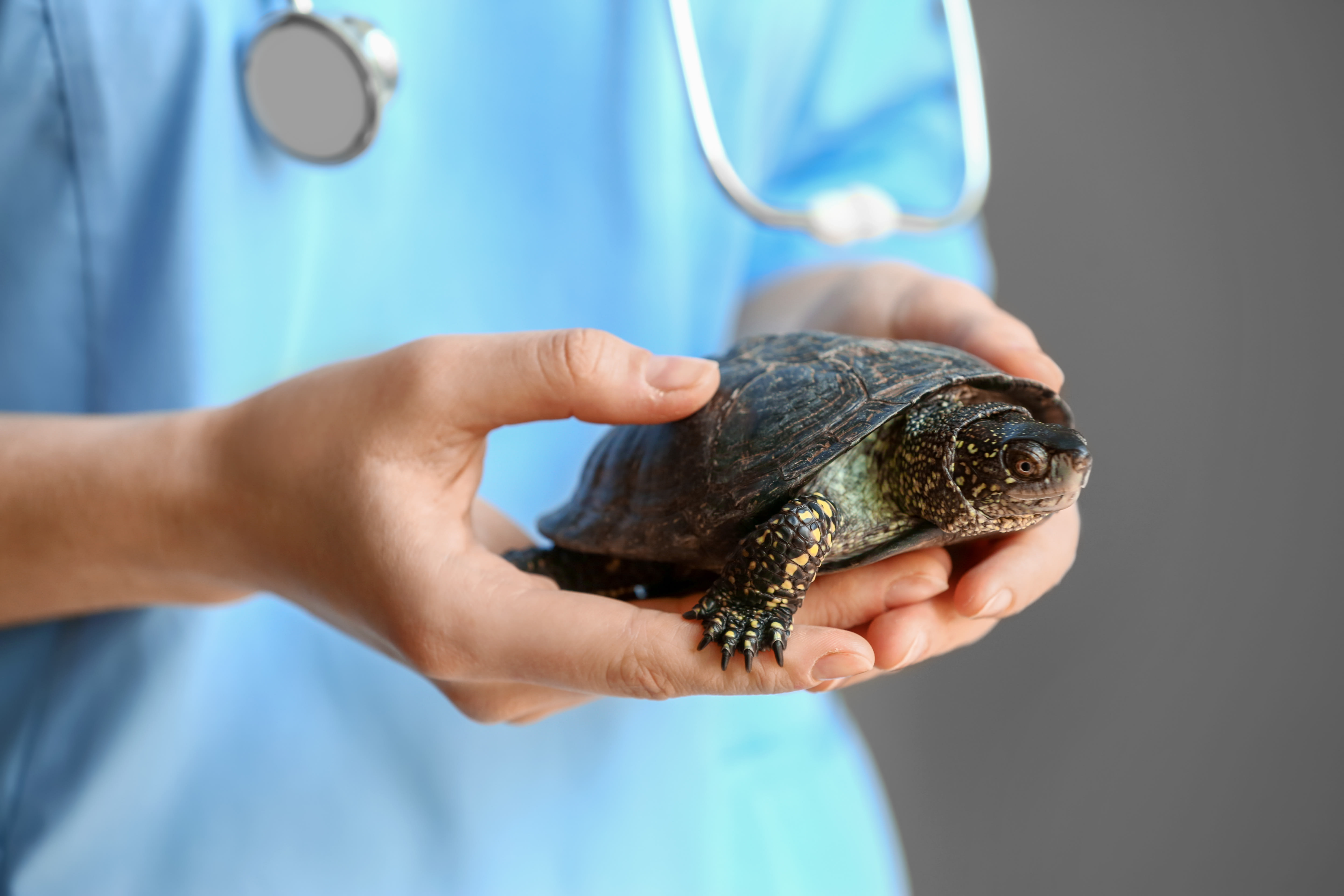
A proper diet for red-eared sliders includes a complete pellet, such as those made by ReptoMin, and dark leafy green vegetables. This can be fed once per day, and the amount should be based on how many pellets Cooper can eat in 5-7 minutes. This is just a guideline, and your veterinarian can help you to determine if this is appropriate based on Cooper's body condition score (i.e. whether she is overweight or not). For a heat lamp - photo 1 just looks like the dome, and there doesn't appear to be a bulb in it. The second lamp looks like it is a daytime only heat lamp - it is often beneficial to have a heat source that can be used during the day or at night, and if that is what you are looking for, I would recommend a ceramic heat bulb. If you are looking for only a daytime basking bulb, there are many brands that would be appropriate. The key words that you should look for are "daytime basking bulb." For watts - it depends on how far the bulb is away from your turtle - there are some brands that have a chart on the side of the box that will give you distances and temperatures that correlate with the distance. This information, combined with your desired temperature for the basking area will help you to decide on what wattage to get. I hope that gives you more information!
Updated on September 24th, 2025

Fluker's or Maxuri pellets/sticks are quality diets. The diet should be varied to maximize nutrition. Offer leafy greens, crickets, small feeder fish, krill/shrimp (either can be freeze dried) or superworms in addition to a commercial pelleted diet.
Updated on September 24th, 2025
Those bumps aren't presenting the way burns would, but without a physical exam, it is difficult to say for sure. Infection would be high on the list. You'll need to have him seen by your veterinarian or a vet experienced in treating reptiles. If infection is diagnosed, S will need antibiotics. Keep him warm and as stress free as possible until he sees the doctor. S soak in a warm 50/50 solution of water and unflavored PediaLyte can treat or prevent minor dehydration. It may also provide some itch relief.
Updated on September 24th, 2025
Check the tank temps. If it is too cold, she won't eat. Aim for the mid 70s on the cool side of her enclosure up to the mid/high 80s on warmer side. Feed her at night. BPs are nocturnal and typically feed at night. Create a hide and cover it completely with her and the prey inside. Make sure whatever prey you offer is the appropriate size and not too cold (especially if you feed frozen prey). Other ways to get her to eat would be to offer different colored mice. Tap a thawed, warmed or freshly killed mouse on her nose to elicit a strike. Removing her from the enclosure, placing the prey in, then returning her about 30 minutes later may also get her to eat. Soak her in a warm 50/50 solution of water and unflavored PediaLyte a couple times daily to treat or prevent mild dehydration. Do not force feed her if she is dehydrated or without the advice of your veterinarian.
Updated on September 24th, 2025