

Two Easy Ways to Start Earning Rewards!
Become a member today! Members-only pricing and offers, personalized care notifications, Vital Care points back on every purchase and more!
 Become a credit card member today!
Earn 2X Pals Rewards points at Petco
when you use Petco Pay!APPLY NOWLearn More About Petco Pay Benefits
Imagitarium Frozen Reptile Food
Get It Today


Related Articles & Questions
- Care Sheets
How to Thaw Frozen Foods for Reptiles or Amphibians
Learn how to thaw frozen mice for feeding time. Find out how to safely prepare and clean up after frozen meals at Petco.
Updated on December 16th, 2025
- New Pet
Is a Reptile Right for You? Essential Questions Before You Buy
Explore our tips about what to keep in mind when choosing the right pet reptile for your family. Consider what they need to stay happy and healthy.
Updated on October 23rd, 2025
- Care Sheets
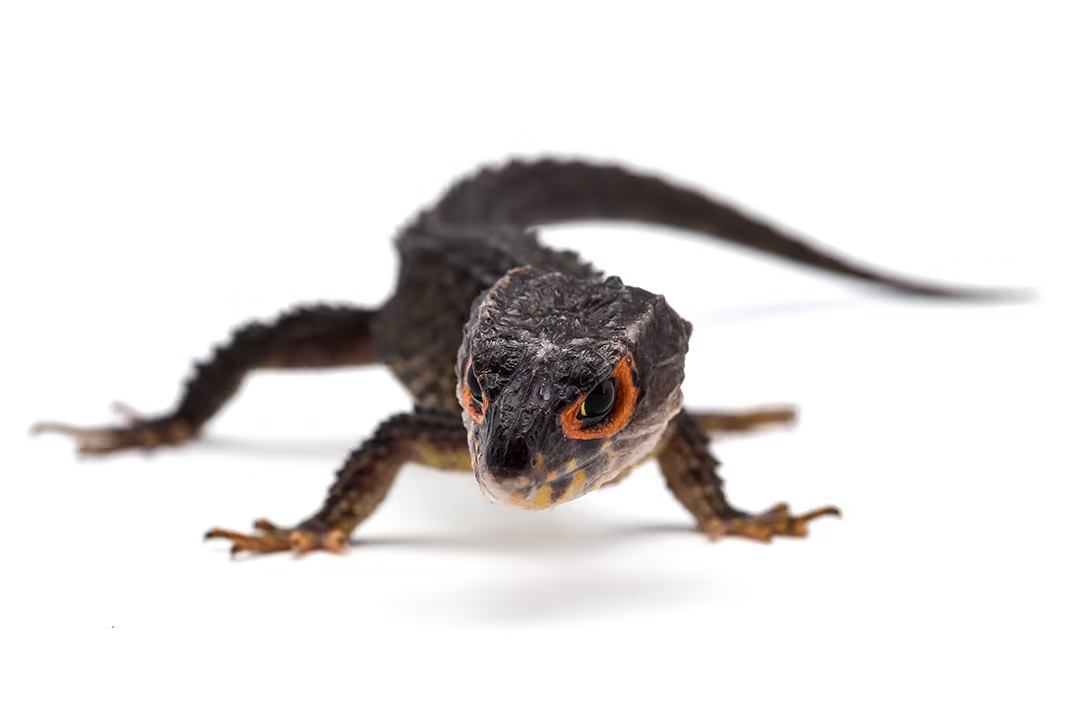
Ultimate Red-Eyed Crocodile Skink Care Guide: Habitat, Food & Health
Learn how to care for Red-Eyed Crocodile Skink, recommended diet & aquarium setup. Find the right food, supplies & equipment at your neighborhood Petco.
Updated on April 9th, 2026
- Care Sheets
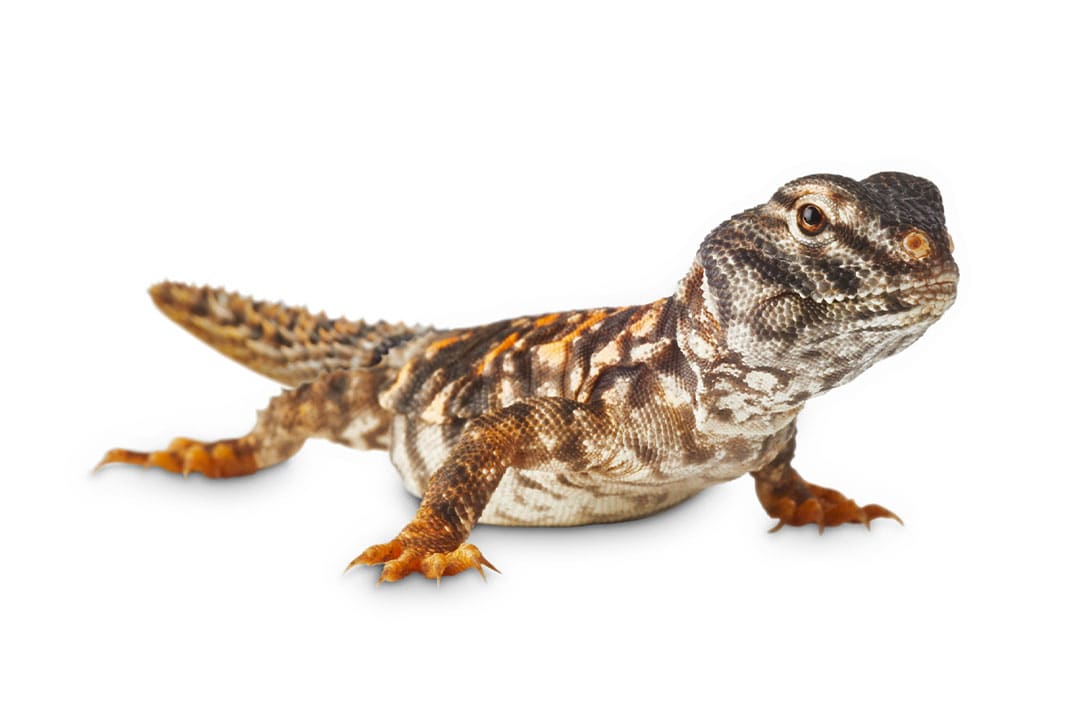
Your Ultimate Guide to Saharan Uromastyx Care: Food, Habitat & Health
Learn how to take care of Saharan Uromastyx, recommended diet and tank setup. Find the right food, supplies and equipment at your neighborhood Petco.
Updated on April 9th, 2026
- Care Sheets
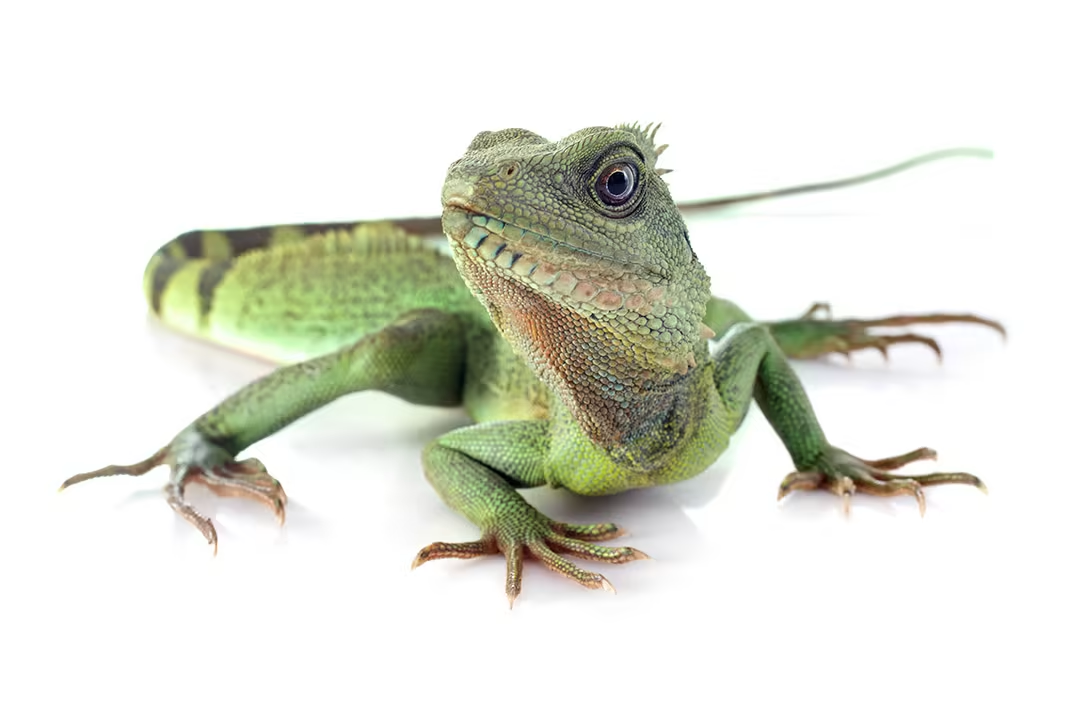
How to Care for a Water Dragon: Habitat, Food, Health & Setup
Learn how to take care of Water Dragons, recommended diet and habitat setup. Find the right food, supplies and equipment at your neighborhood Petco.
Updated on April 9th, 2026
- Food & Nutrition
What kind of food and brand is best for my red eared slider?
Fluker's or Maxuri pellets/sticks are quality diets. The diet should be varied to maximize nutrition. Offer leafy greens, crickets, small feeder fish, krill/shrimp (either can be freeze dried) or superworms in addition to a commercial pelleted diet.
Updated on September 24th, 2025
- Food & Nutrition
Help! My new bearded dragon won't eat. What foods do they prefer?
Some of it depends on the age of the beardie. If young, make sure any live food is small enough for it. Meal works, crickets or even pinkie mice Here's a good recipe for a reptile salad. Basic Salad Recipe 1/2 cup shredded raw green beans 1/2 cup shredded raw orange-fleshed squash (such as acorn, banana, kabocha, spaghetti, and pumpkin) - you can occasionally alternate with carrots 1 medium or 2 small raw shredded parsnips (in areas where these are seasonally hard to find, you can substitute with asparagus or cooked or canned lima, navy or kidney beans that have been well rinsed and minced or mashed. If you use beans, add extra calcium to offset their high phosphorus) * 1/4 cup mashed/minced fruit (strawberries, raspberries, mangos, papaya, figs, cantaloupe, cactus pear) Alfalfa ** Multivitamin and calcium supplements * If parsnips are a seasonal vegetable where you live, you can use 1/2 cup shredded asparagus, trading off with 1/2 cup drained, rinsed, and chopped canned cooked lima beans, plus additional calcium to make up for the lousy calcium:phosphorus ratio in beans. Cooked beans are acceptable for short term use only due to their phosphorous content and other chemicals that can impede the uptake of minerals and trace elements. Asparagus is comparable in protein to parsnip, but does contain oxalates, so should not be a long-term staple. ** The quantity of alfalfa you use will depend upon the alfalfa product you are using. You want to add about 15 grams of protein. That is about 1/2 cup of alfalfa rabbit pellets, or about 1/4 cup or less of alfalfa leaf tea or a tablespoon or so of alfalfa powder. The older the healthy iguana is, the less protein they need, so you may end up using only a couple of teaspoons for an adult iguana. Thoroughly mix all the Basic Salad Recipe ingredients together. Makes about 3.5-4 cups. Add in a multivitamin supplement (any multivitamin supplement for birds or reptiles is fine, but the best, actually, is powder from a crushed Centrum tablet) and a calcium supplement. You do not need to get a calcium supplement that has phosphorous or D3 in it, as the iguana is already getting considerably phosphorous from the plants and multivitamin, and their D3 is best manufactured in their bodies by regular exposure to direct sunlight or special UVB-producing fluorescents. And more good info on husbandry and feeding isnhere. If temperature is not correct they also may not eat. http://www.anapsid.org/bearded.html
Updated on September 24th, 2025
- Vet Q & A
My reptile isn't eating much after shedding. What should I do?
Often when a reptile doesn’t want to eat, it is a sign that they don’t feel well. The most common reason behind them not feeling well is imperfections in their husbandry and diet. I would recommend consulting an online care sheet to ensure that your husbandry is as perfect as possible. Common areas of imperfection include temperature, lighting, and humidity. I would also recommend having Ash seen by a veterinarian, as they can help to counsel you about Ash’s husbandry as well. In addition to a thorough physical examination, they may recommend diagnostic testing including radiographs (x-rays) and blood work to evaluate systemic health. I hope that gives you a place to start, and thanks for using Petco Pet Education Center, formerly Petcoach!
Updated on September 24th, 2025
- Vet Q & A
My snake won't eat frozen rats after mouth rot. What should I do?
You may want to consider a follow up appointment with your veterinarian to make sure there are no signs of continued infection such as respiratory disease. Also verify that your temperature and humidity are appropriate. My favorite resource for this is www.anapsid.org Sometimes force feeding with a pinkie may stimulate him to start eating. Best of luck and I hope he improves soon. Thank you for using Pet Coach.
Updated on September 24th, 2025
- Food & Nutrition
My turtle's diet is dried shrimp. What should I feed for health?
Hello, & thank you for using Petco Pet Education Center, formerly Petcoach. Juvenile RES should receive commercial aquatic turtle pellets, supplemented occasionally with live fish (guppies, goldfish), & earthworms. Make sure she gets at least 15 minutes of natural sunlight weekly. Adults need 30% of diet to be the pellets & some protein like mentioned above. The krill can be offered on occasion. 70% of the diet needs to be plants in the form of chopped leafy greens, kale, romaine, mustard greens, dandelion greens, watercress, parsley, shredded carrot, frozen (thawed) mixed veggies & squash, & occasional fruit. Take care.
Updated on September 24th, 2025