Training & BehaviorNew to parakeets? Essential care tips for first-time owners.
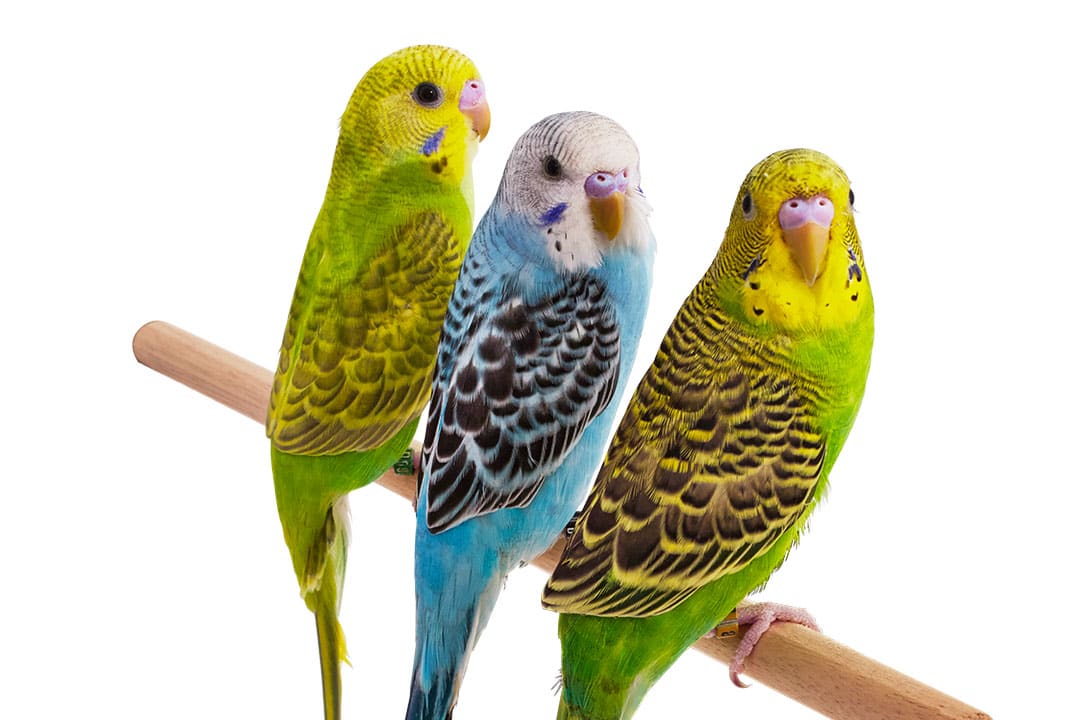
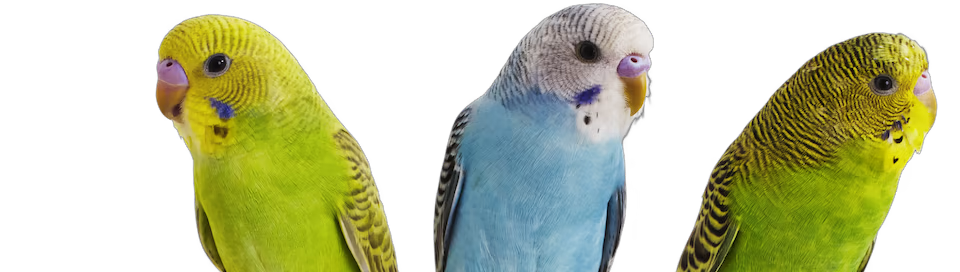
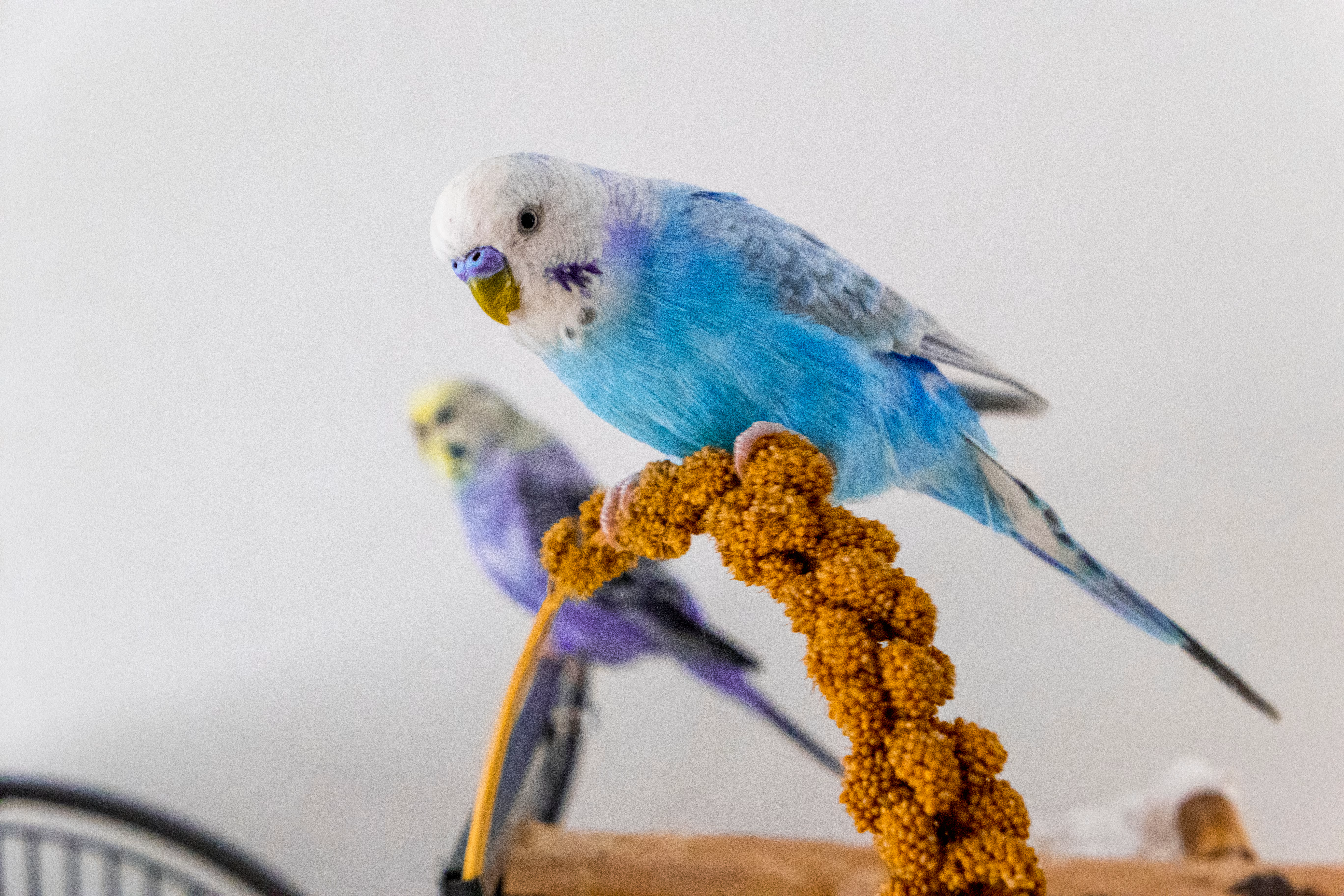
Parakeets, also called Budgerigars, are small members of the parrot family and they can become good mimics. The average adult size is 7 inches long, head to end of tail. The average life span is between 10 to 20 years with proper care.
A well-balanced Parakeet diet consists of:
Specialized pellets should make up 60-70% of diet, fresh vegetables and fruits and small amounts of fortified seeds
Clean, fresh, filtered, chlorine-free water, changed daily.
Do not feed birds: avocado, fruit seeds, chocolate, caffeine or alcohol; it can cause serious medical conditions.
Avoid sugar and high fat treats.
Things to remember when feeding your Parakeet:
Fresh food and water should always be available.
Vegetables and fruits not eaten within a few hours should be discarded.
Remember, treats should not exceed 10% of total food intake.
Housing
Parakeets acclimate well to average household temperatures, not to exceed 80°F; be cautious of extreme temperature changes. The habitat should area that is well-lit and away from drafts.
A habitat approximately 18"W x 18"D x 18"H, with metal bars spaced no greater than 1-2" apart, makes a good home for one Parakeet. A flight habitat is strongly recommended. It is best to provide the largest habitat possible.
Perches should be at least 4" long and 3-8" in diameter; a variety of perch sizes to exercise feet and help prevent arthritis is recommended.
Perches should be at least 4" long and 3-8" in diameter; a variety of perch sizes to exercise feet and help prevent arthritis is recommended.
A metal grate over the droppings tray will keep the bird away from droppings; line the droppings tray with habitat paper or appropriate substrate for easier cleaning. To avoid contamination, do not place food or water containers under perches.
Parakeets can be kept alone to bond with pet parent or in pairs to bond with each other. Different birds she not be housed together.
Normal Behavior
Parakeets are talkers, but their little voices are sometimes hard to hear.
Active and need daily time out of their habitats to interact with family.
Keep in pairs if unable to devote daily interaction time.
Provide foraging toys, which provide important mental stimulation.
Housing Maintenance
Clean and disinfect the habitat and perches regularly; replace substrate or habitat liner weekly or more often as needed.
Replace perches, dishes, and toys when worn or damaged; rotate new toys into the habitat regularly.
Ensure that there are no habitat parts or toys with lead, zinc or lead-based paints or galvanized parts as these can cause serious medical issues if ingested by your bird.
Do not use a lot of cleaning agents around your bird a natural cleaner.
Grooming & Hygiene
Provide filtered, chlorine-free, lukewarm water regularly for bathing; remove the water when done. As an alternative, mist the bird with water.
Clipping flight feathers is not necessary, but when done correctly it can help prevent injury or escape; consult an avian veterinarian on what is best for your bird.
Nails should be trimmed by a qualified person to prevent injury to the bird.
Signs of a Healthy Animal:
Active, alert, and sociable
Eats and drinks throughout the day
Dry nares and bright, dry eyes
Beak, legs and feet normal in appearance
Clean, dry vent
Smooth, well-groomed feathers
Common Health Issues
Chlamydiosis: Appetite loss, fluffed feathers, nasal discharge, green stool. Seek immediate avian veterinary attention.
Diarrhea: Fecal portion of stool is not formed. Multiple causes from diet change to internal parasites. Consult with an avian veterinarian and ensure proper diet.
Feather plucking: Bird plucks own feathers; may be due to boredom, poor diet or other illness. Consult your veterinarian and relieve boredom with attention, new toys or new space.
Mites (scaly face and leg disease): White deposits on eyes, beak, legs, and feet. Consult your veterinarian.
Red Flags
Beak swelling or accumulations
Fluffed, plucked, or soiled feathers
Sitting on floor
Updated on September 24th, 2025



 Members-only pricing and offers, personalized care notifications, Vital Care points back on every purchase and more!
 Become a credit card member today!