Two Easy Ways to Start Earning Rewards!
Earn 2X Pals Rewards points at Petco
when you use Petco Pay!
Get It Today
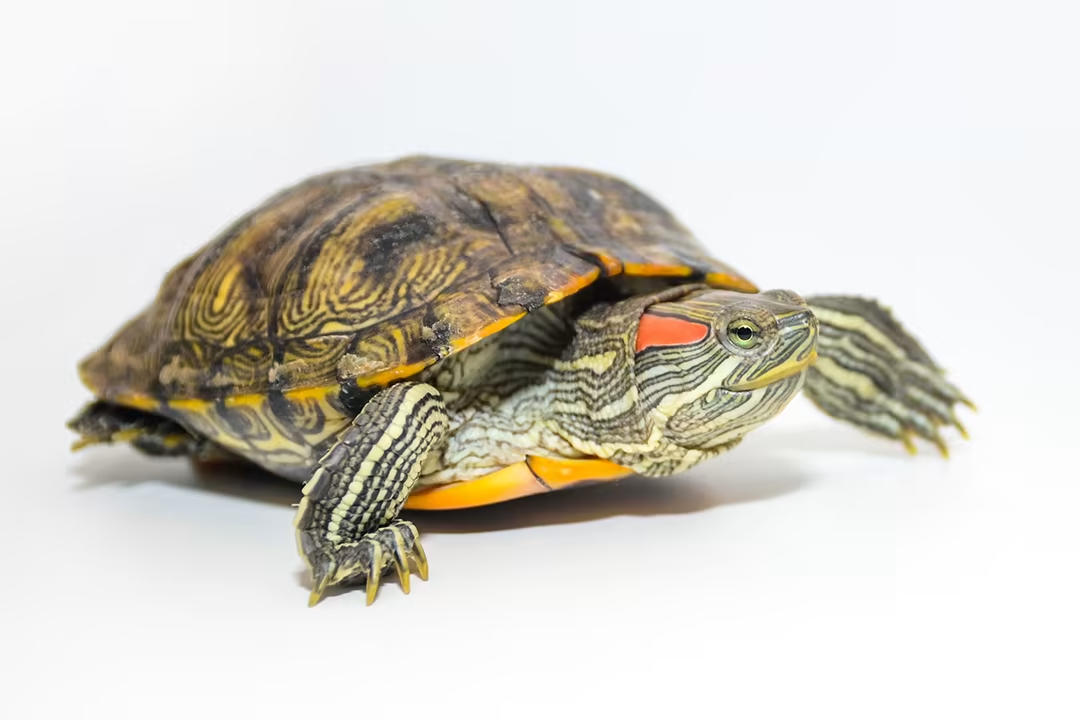
Red-eared sliders are primarily aquatic but will fully emerge from the water. Setting up a habitat that mimics their natural environment will help ensure your turtle is set up for a happy, healthy life!
Updated on June 19th, 2026
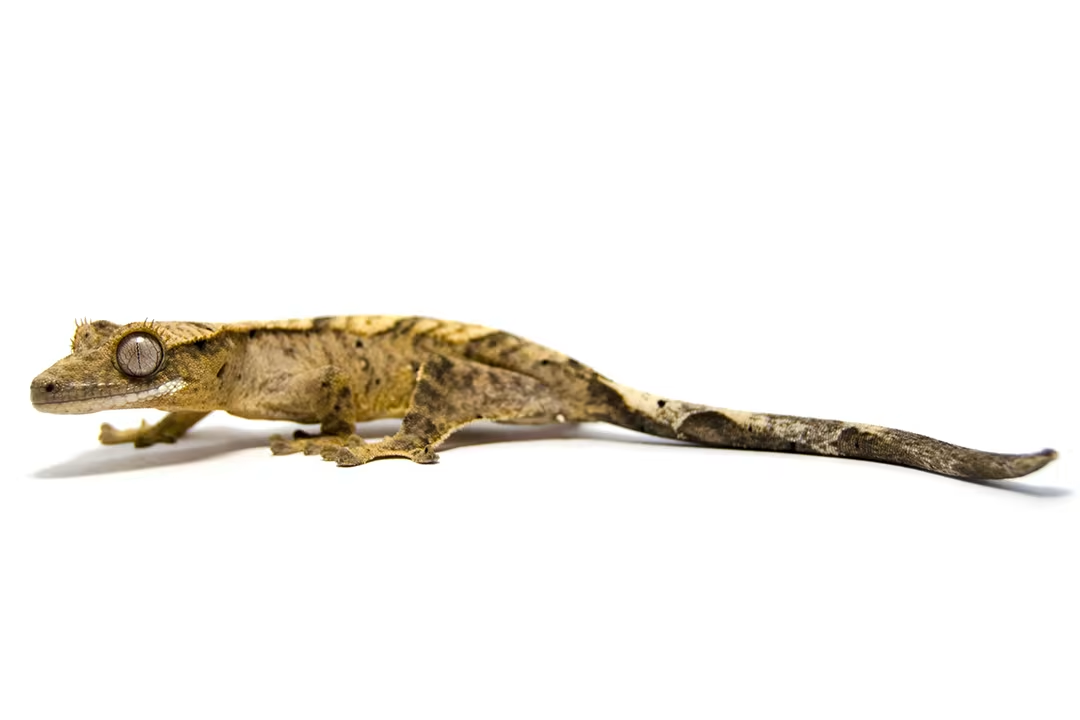
Learn how to take care of your Crested Gecko, tank size, diet & habitat setup. Find the right food, supplies and equipment at your neighborhood Petco.
Updated on December 22nd, 2025
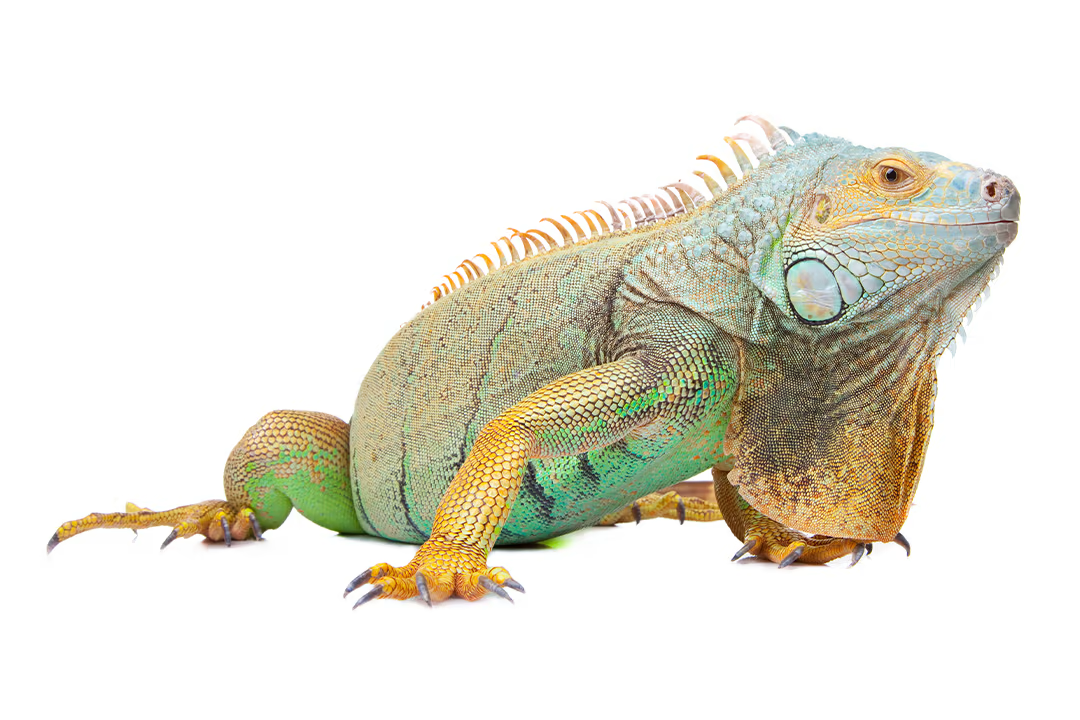
Learn how to take care of your Tropical Iguanas, recommended diet and housing setup. Find the right food, supplies and equipment at your neighborhood Petco.
Updated on April 9th, 2026
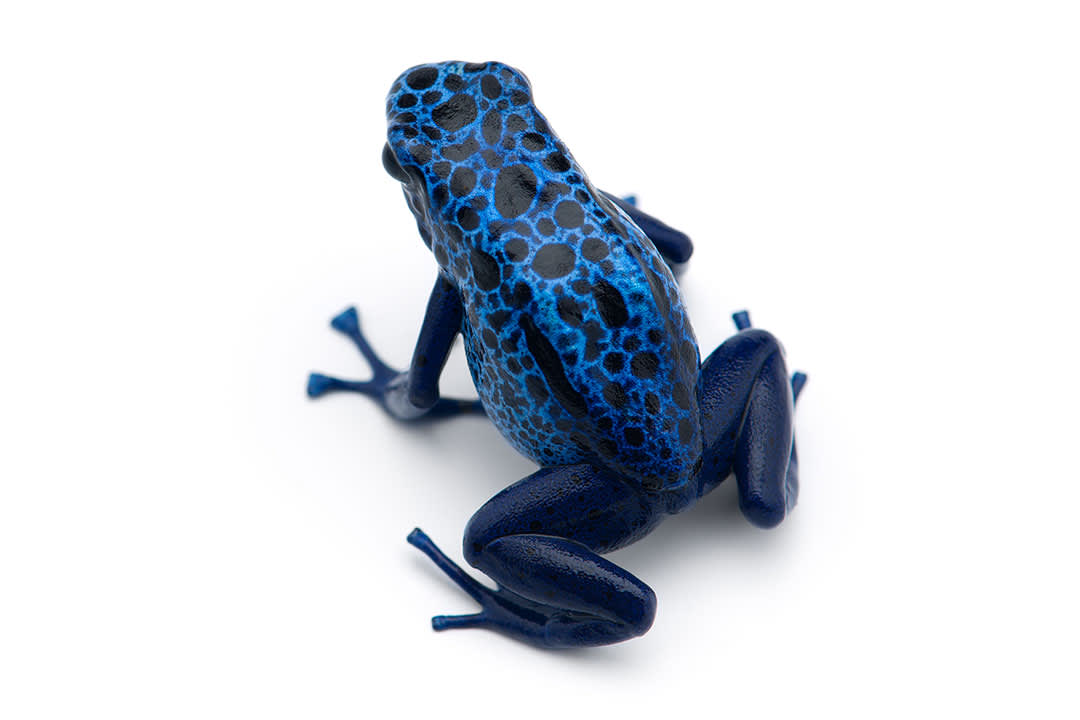
Learn how to care for small Terrestrial Frogs, recommended diet and habitat setup. Find the right food, supplies and equipment at your neighborhood Petco.
Updated on April 9th, 2026
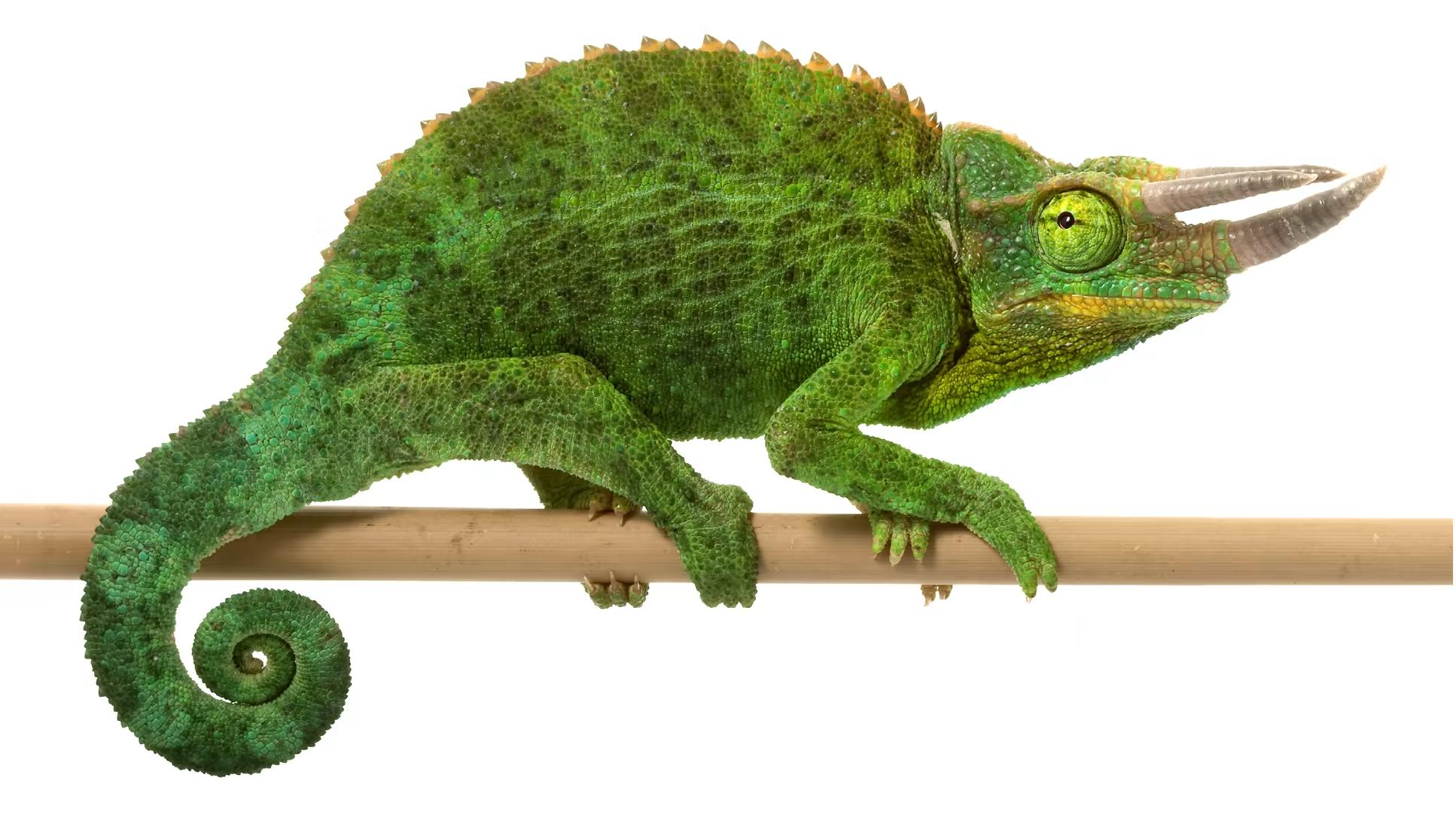
Learn how to care for Jackson's Chameleons, recommended diet & habitat setup. Find the right food, supplies & equipment at your neighborhood Petco.
Updated on April 9th, 2026
A proper diet for red-eared sliders includes a complete pellet, such as those made by ReptoMin, and dark leafy green vegetables. This can be fed once per day, and the amount should be based on how many pellets Cooper can eat in 5-7 minutes. This is just a guideline, and your veterinarian can help you to determine if this is appropriate based on Cooper's body condition score (i.e. whether she is overweight or not). For a heat lamp - photo 1 just looks like the dome, and there doesn't appear to be a bulb in it. The second lamp looks like it is a daytime only heat lamp - it is often beneficial to have a heat source that can be used during the day or at night, and if that is what you are looking for, I would recommend a ceramic heat bulb. If you are looking for only a daytime basking bulb, there are many brands that would be appropriate. The key words that you should look for are "daytime basking bulb." For watts - it depends on how far the bulb is away from your turtle - there are some brands that have a chart on the side of the box that will give you distances and temperatures that correlate with the distance. This information, combined with your desired temperature for the basking area will help you to decide on what wattage to get. I hope that gives you more information!
Updated on September 24th, 2025

Hello. This is a common Red Eared Slider & there is a ton of information available online, in books & at pet stores on the proper care of these turtles. Please inform yourself the best you can to give this little guy the best chance possible to have a long life. They can make very good pets. Thanks for using Petco Pet Education Center, formerly Petcoach.
Updated on September 24th, 2025
Hi. I'm glad you checked. Red rated sliders can be fun pets but they also require specialized environment and care. She should eat some live feeder fish, some plant matter and only about 25% of her diet should be commercial pellets. Be sure she has an area to get out of the water in her tank, she needs a basking light for warmth and full spectrum UV lighting. Housing is the number one reason that sliders get sick or die in captivity so please take the time to get her set up correctly. Here is a great beginner article for RES care. http://www.anapsid.org/reslider.html
Updated on September 24th, 2025
You shouldn't need anti ich medication for your sliders. The water conditioner (anti chlorine) is always a good idea if you use water from a municipal source. My personal preference for water conditioners are AmQuel Plus, NovAqua and StressCoat. You can purchase them online or in the local pet store. Be sure the water is no deeper than twice the length of the shell. You can read more about slider care here: http://www.anapsid.org/reslider.html
Updated on September 24th, 2025
Clean the tank and perform a partial water change. Rinse the filter media in some tank water, not tap water, to preserve beneficial bacteria. Make sure the water is warm, between 75F and 86 F, and the basking area is at proper temp ( 85 F to 90 F). Low temps can affect activity in reptiles. She may need a few days to reacclimate to you, even though you weren't gone long. Monitor for lethargy, loss of appetite, swimming crooked, difficulty breathing or discharge from the eyes or nose. If necessary, have her examined by your veterinarian or an experienced herp vet to diagnose and treat injury or infection.
Updated on September 24th, 2025