Two Easy Ways to Start Earning Rewards!
Earn 2X Pals Rewards points at Petco
when you use Petco Pay!
Get It Today
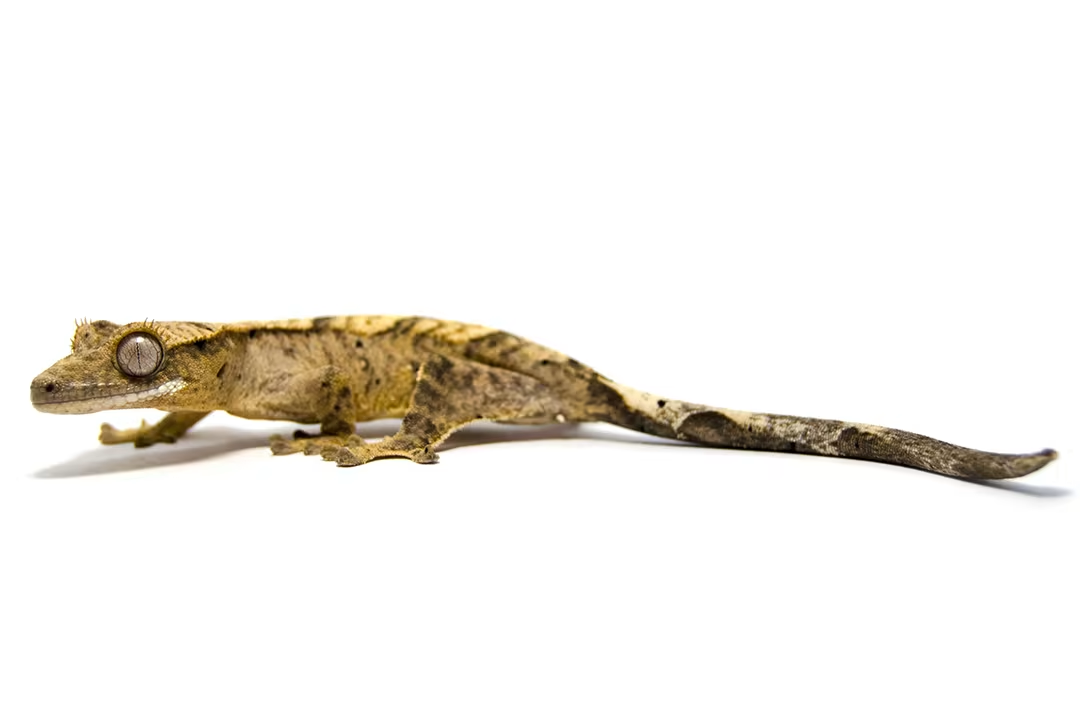
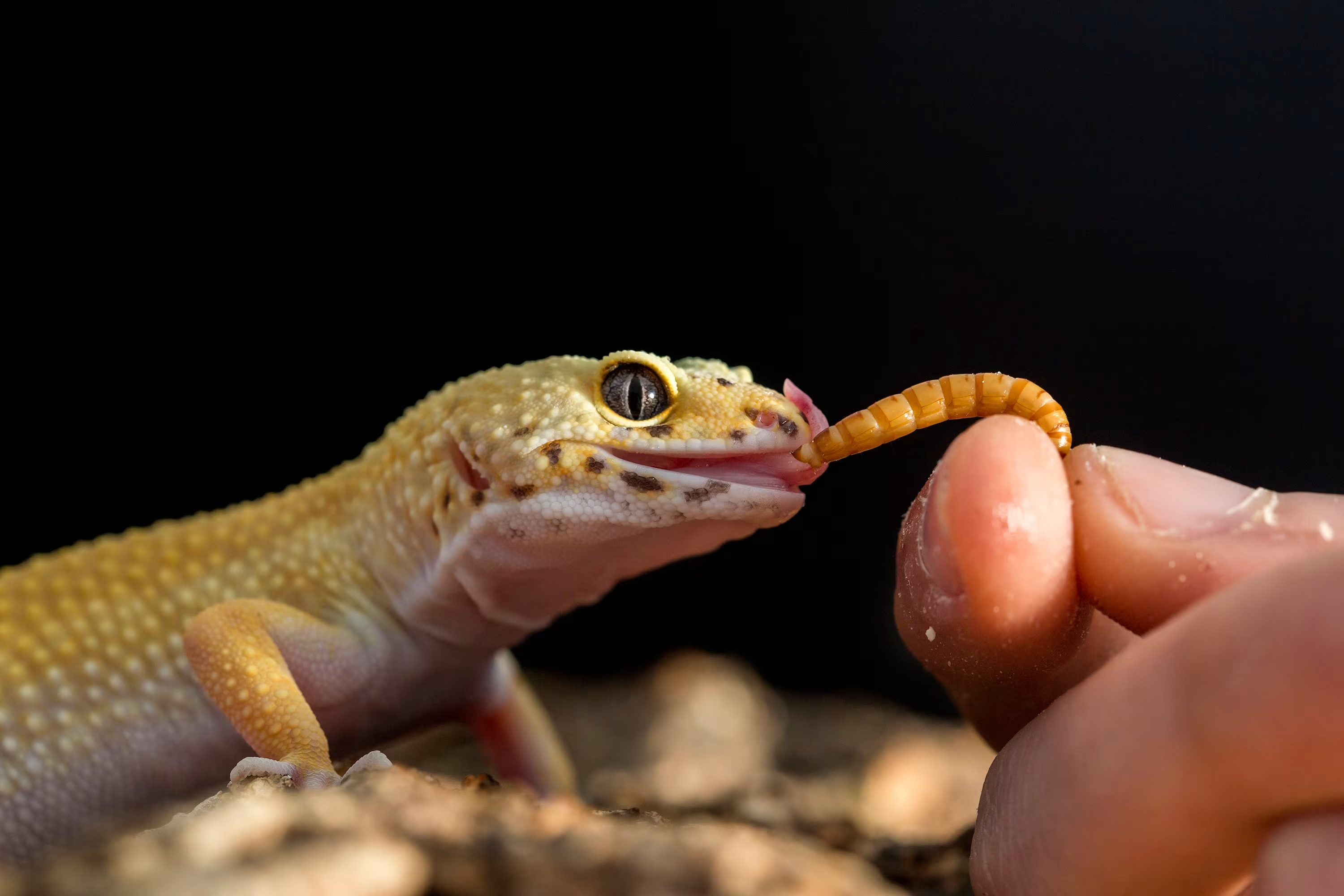
Learn how to take care of your Crested Gecko, tank size, diet & habitat setup. Find the right food, supplies and equipment at your neighborhood Petco.
Updated on December 22nd, 2025
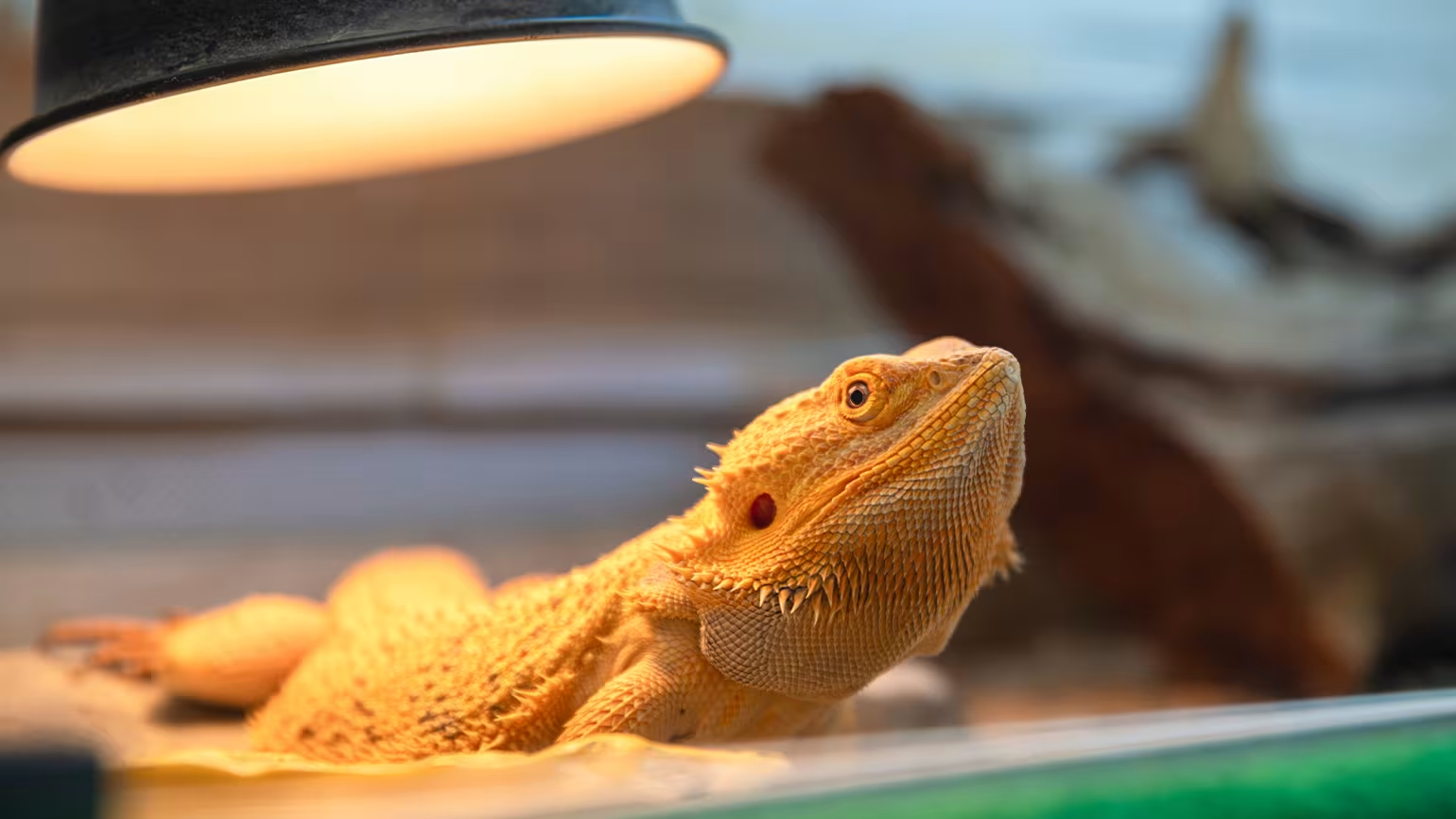
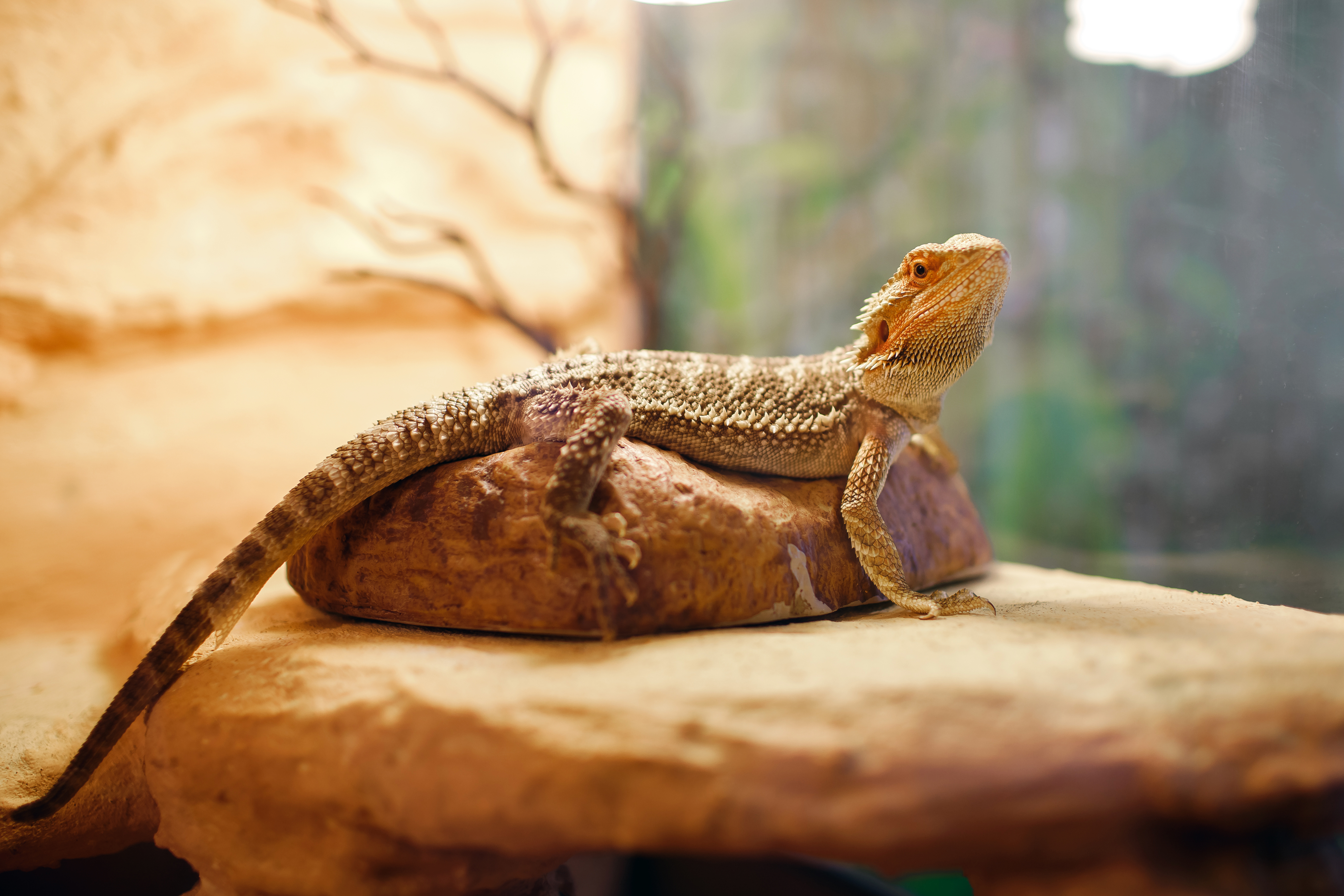
Bearded dragons have specific lighting requirements that emulate their natural warm and dry habitat. Learn about their lighting needs at Petco.
Updated on June 19th, 2026
Whether you temporarily lose access to AC or are experiencing unexpected temperature changes, you can use these tips to keep your reptiles happy and healthy.
Updated on August 14th, 2025
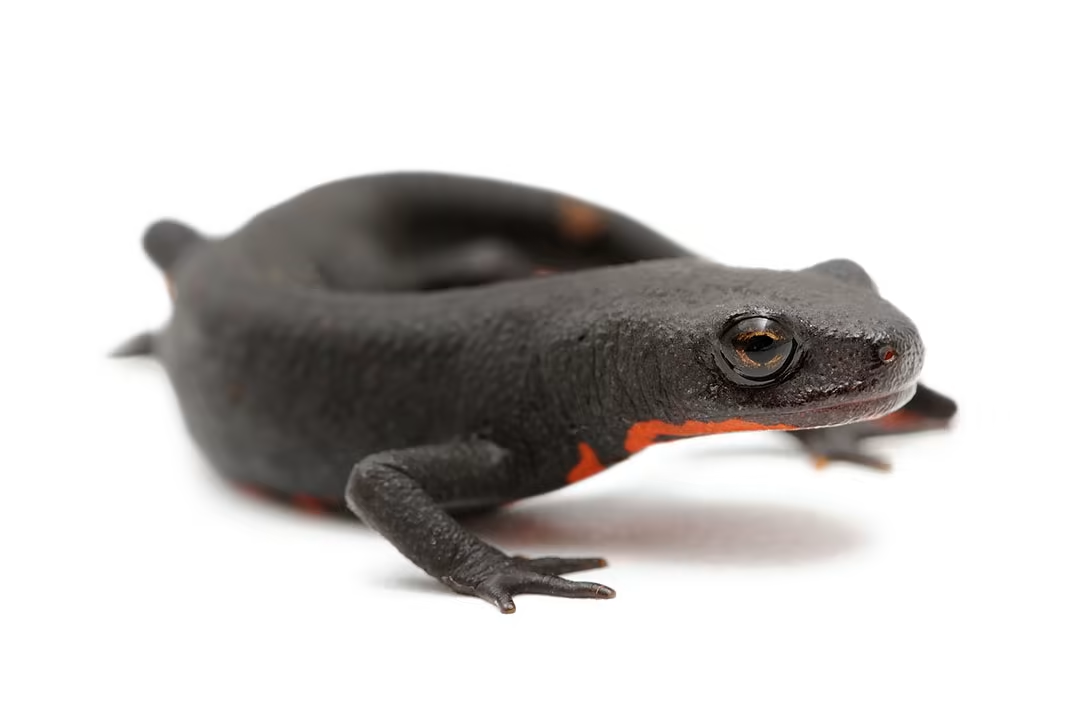
Learn How to Care for a Salamander & Newts, recommended diet and habitat setup. Find the right food, supplies and equipment at your neighborhood Petco.
Updated on April 9th, 2026
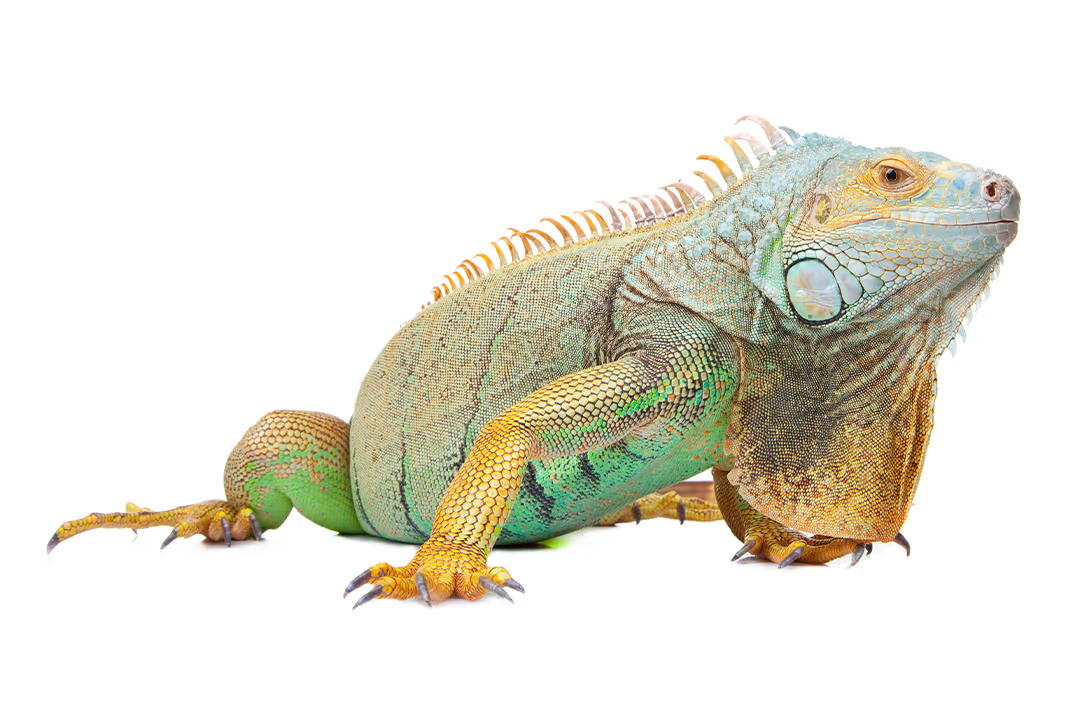
Learn how to take care of your Tropical Iguanas, recommended diet and housing setup. Find the right food, supplies and equipment at your neighborhood Petco.
Updated on April 9th, 2026
A 10 gallon tank can be purchased in the local Petco for less than twenty dollars ( https://www.petco.com/shop/en/petcostore/product/fish/fish-aquariums-kits/aquariums-up-to-ten-gallons/aqueon-standard-glass-aquarium-tank-10-gallon ). It would be easier to keep and secure than a laundry hamper. Given the temps required for geckos, plastic may not be the best option either. You will need a a heat lamp for day use and maybe a heat source if nighttime temperatures drop below 70 F. You can use slate, reptile carpet, plain paper towels or a coconut fiber substrate. Review gecko care at the link below. http://www.reptilesmagazine.com/Care-Sheets/Lizards/Leopard-Gecko/
Updated on September 24th, 2025
The tank looks fine, but geckos absorb heat better through their bellies than through their back, as they tend to be more active at dawn and dusk, rather than other lizards that are active during the day and would bask in the sun in the wild.
Updated on September 24th, 2025
He may have a retained eye cap which could be the cause of those symptoms. Check temps in the cage. Low temps may affect appetite and activity in reptiles. Soak him in a warm 50/50 solution of water and unflavored PediaLyte for 15-20 minutes. This will provide warmth and may treat or prevent minor dehydration. It may also help is he has any residual shed. You can also massage his abdomen, front to back, during the soak to stimulate defecation. I see you use sand as a substrate, so an impaction is always a concern. Pick up some Fluker's Repta Boost or Oxbow Carnivore Care from the local pet store. This is a better option than baby food. If he doesn't start eating in the next few days or if the eye does not improve, have him seen by your veterinarian or a vet experienced in treating reptiles.
Updated on September 24th, 2025
Have him examined by your veterinarian or an experienced herp vet. Submit a stool sample to diagnose intestinal parasites. This will all give you a better idea of his health status. Barring any major illness or injury, he could be rehabbed and live a "normal" life. Set him up in an appropriate enclosure with correct parameters. Offer appropriately sized and gut loaded prey as well as some Fluker's Repti-Boost. Soak in a warm 50/50 solution of water and unflavored PediaLyte daily for 20-30 minutes to maintain hydration. It may take time, but with a healthy diet, proper environment and some care, he could recover.
Updated on September 24th, 2025
A RES requires full spectrum lighting (UVA and UVB) and lighting that provides heat. The dry dock, or basking area, should be completely out of the water. Basking temps should range between 90F and 95F (32-35C). You should place the UVA/UVB bulb as close to the heat lamp as possible. It should be no more than 12" away from your RES and should not have a barrier between it and your turtle. Glass, acrylic and plastic block UVB while screens with grids under 1/2" can obstruct a good portion of UVB rays negating the health benefits. Lighting should be on for around 12 hours a day, depending on the time of year. Full UVA/UVB bulbs need replacing every 6 months. The simplest combination for adequate lighting is a UVA/UVB fluorescent bulb and an incandescent light bulb (for heat). Incandescent light bulbs are standard household lights easily purchased at stores such as Home Depot or Lowes. Make sure your RES cannot splash water on it or come into contact with it. You can also consider halogen lights and red heat bulbs for supplemental heat. You can buy the UVA/UVB bulbs at most pet stores. Search in the Reptile section. They can also be purchased online for around $30-$40. ReptiSun 10.0 (by ZooMed) or ReptiGlo lights are quality full spectrum bulbs.
Updated on September 24th, 2025