Two Easy Ways to Start Earning Rewards!
Become a member today! Members-only pricing and offers, personalized care notifications, Vital Care points back on every purchase and more!
 Become a credit card member today!
Earn 2X Pals Rewards points at Petco
when you use Petco Pay!APPLY NOWLearn More About Petco Pay Benefits
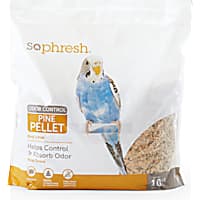
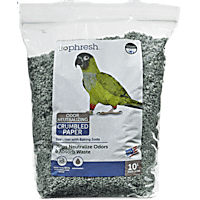
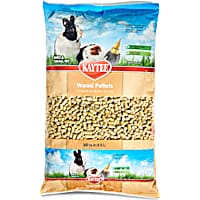
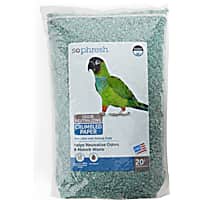
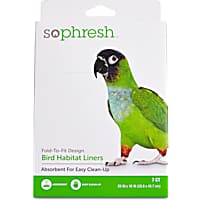
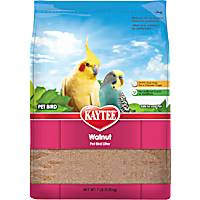
Conure Bedding & Litter
Get It Today



Related Articles & Questions
- Care Sheets
Conure Care Guide: Food, Habitat, Health & Tips for a Thriving Conure
Learn how to take care of Conures, recommended diet and housing setup. Find the right food, supplies and equipment at your neighborhood Petco.
Updated on April 9th, 2026
- Care Sheets
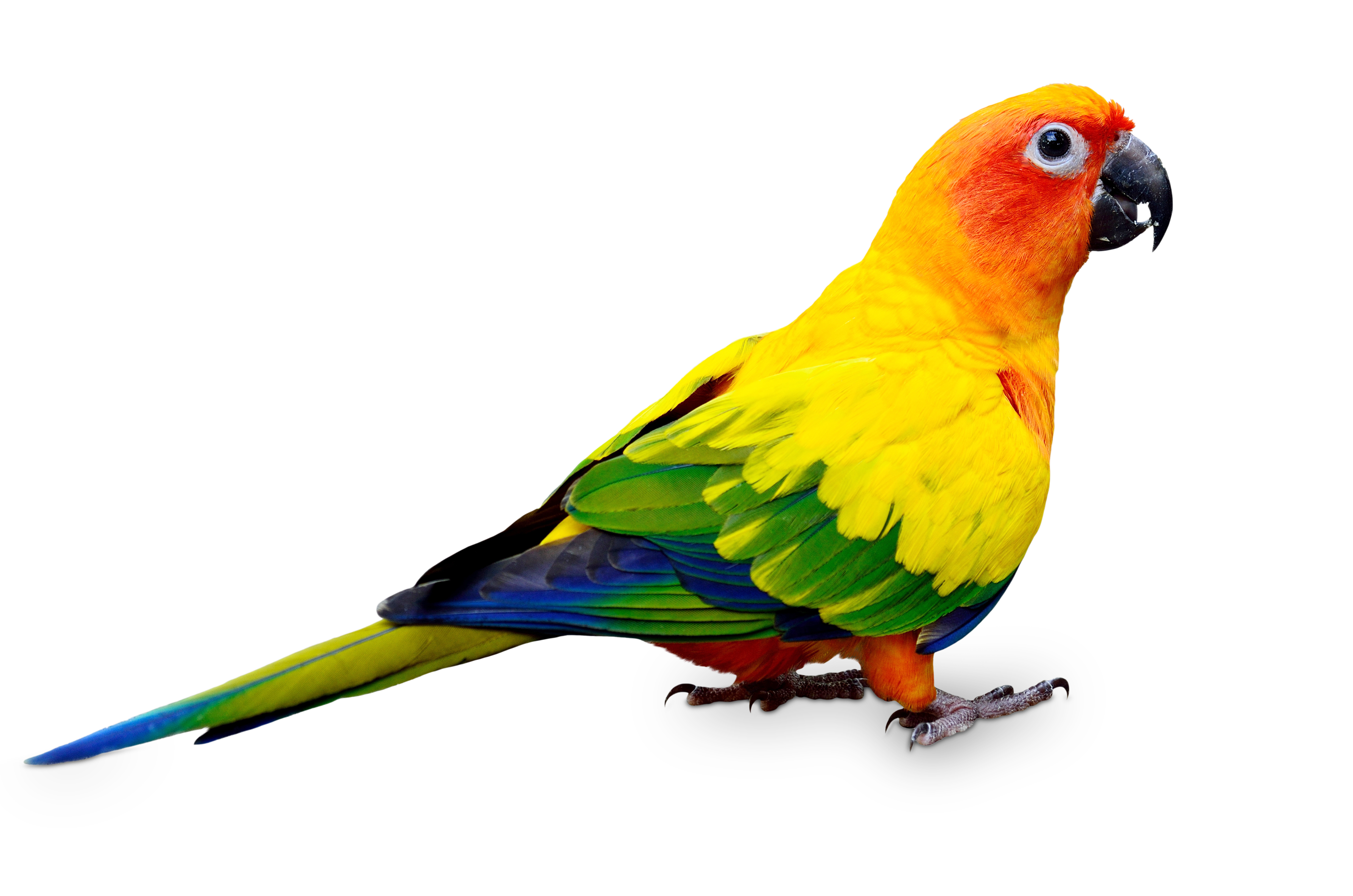
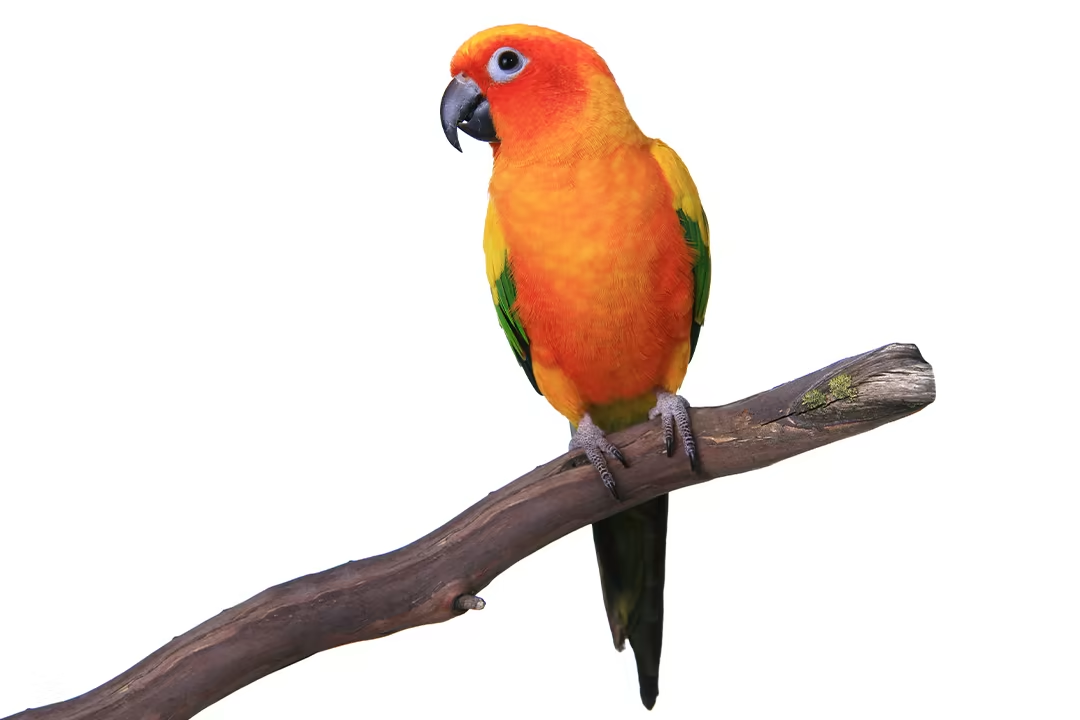
How to Care for a Sun Conure: Food, Habitat, Health & Behavior
Learn how to take care of Sun Conures, recommended diet and housing setup. Find the right food, supplies and equipment at your neighborhood Petco.
Updated on April 9th, 2026
- Care Sheets
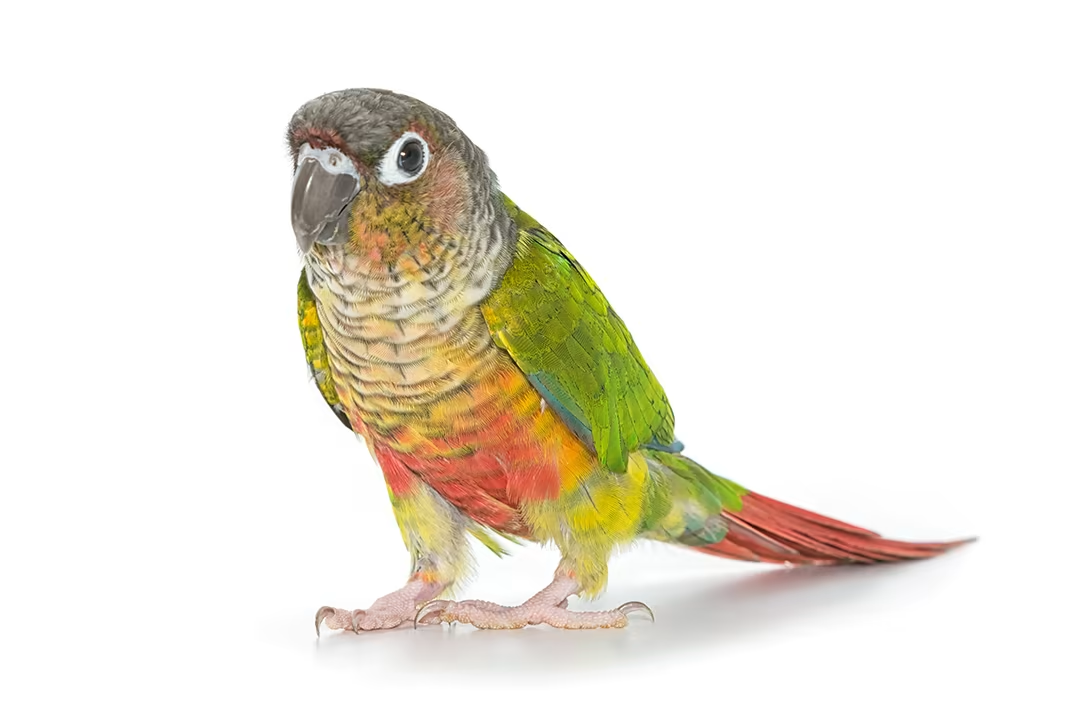
Green-Cheek Conure Care: Essential Food, Habitat & Health Guide
Green-cheek conures are highly inquisitive, bold, and engaging birds. Learn how to care for Green-cheek conures, what to feed them, habitat setup, and more.
Updated on October 23rd, 2025
- Care Sheets
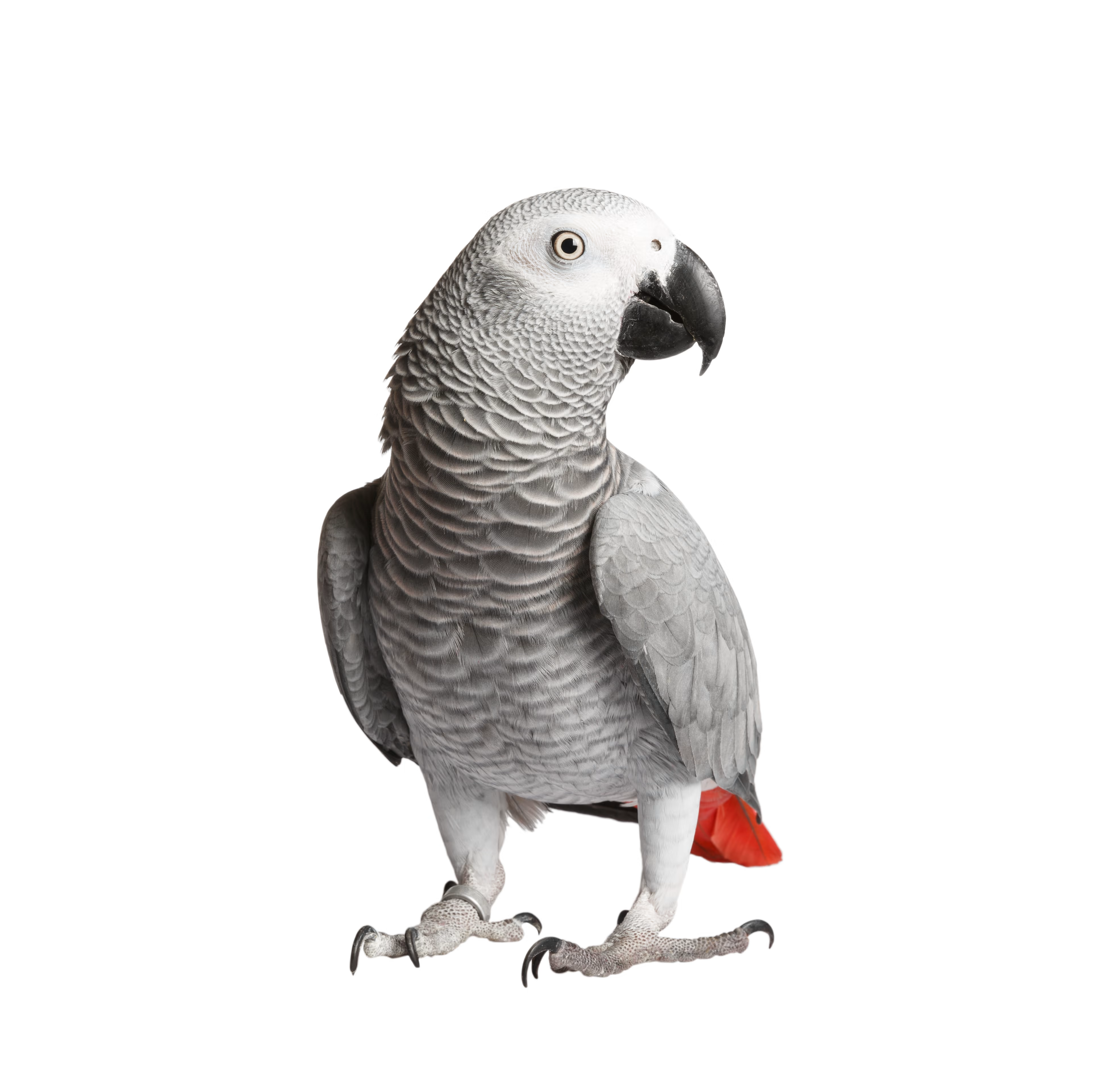
Expert Care for Your Large Hookbill: Food, Habitat, Health & Happiness
Learn how to take care of large Hookbill, recommended diet and housing setup. Find the right food, supplies and equipment at your neighborhood Petco.
Updated on April 9th, 2026
- New Pet
First-Time Bird Owner? Essential Guide to Your Pet Bird's Perfect Home
Learn some tips about bringing your new pet bird home for the first time. Find out what supplies and actions will help her feel most at home.
Updated on October 23rd, 2025
- Training & Behavior
Help! I have a new conure. What are the best care tips for beginners?
Congratulations on your new bird! Conures are wonderful pets and can be lifelong friends. I'm not sure exactly what kind of advice you're looking for based on your question, but I'll try to give you my general new-bird-owner advice in hopes that it will help. If not, please feel free to post a more specific question. - Be sure that the cage for Felipe is not only secure, but large enough to allow for his complete wingspan and at least a little bit of flight. This is especially true if he will be spending a lot of time in his cage (like while you're at work). - Psychological stimulation is very important to conures - they're like toddlers. Offer several toys in Felipe's cage. Commercial bird toys are usually great, and you can find lots at your local pet store, or a big-box store like Petco. They love to tear things up, so paper to shred and cardboard boxes can be great, cheap toys for them as well. - If you're offering water in a bowl, you'll need to change it at least once daily. Most conures love to bathe, and Felipe will likely make a lovely mess out of his water dish while splashing around. Many conures also like to dip their food in their water, and this can also dirty it up quickly. - Most veterinarians recommend a pelleted diet for parrots. A seed-only or high-seed content diet is extremely high in fat, which can cause liver disease if fed consistently. There are a lot of great pellet diets for birds at pet stores, including brands like Zupreem (which is what I feed my own bird). You should also supplement your bird's diet with fresh veggies and fruits, if possible. Here's a good list of foods to avoid: https://lafeber.com/pet-birds/foods-toxic-pet-birds/ - The biggest concern most new conure owners have is behavior-related. For the first few days, Felipe may appear withdrawn and want to stay in his cage. It's important to let him come out in his own time. Sit by his cage and talk to him, and offer tasty food treats (fruits, vegetables, nuts, etc). He'll eventually come to the conclusion on his own that you're not scary, but if you force him, he may react aggressively. Conures do and will bite if provoked - if this occurs, ignore him. Generally, these birds want to be with their flock members (you!) and will learn quickly that biting does not get them the attention they crave. I hope this helps - as I mentioned earlier, please feel free to post another question if you'd like to know something more specific about conure ownership. Good luck, and I hope that you and Felipe have many great years together (depending on the species, this is at least 20 years!).
Updated on September 24th, 2025
- Training & Behavior
Why is my conure sleeping on the cage floor, not in his bed?
Thanks for reaching out about Rico. Is he possibly getting cold? Monitor appetite and water consumption by the amount of feces and urine in the cage, daily. Paper or bottom substrate should be changed daily to assist with monitoring. If continued to be concerned, a veterinary visit is recommended, which is a good idea annually anyways. Check environmental temperature lows in the evening. Review and correct diet as it is easier to convert off seed while young than older. Good luck.
Updated on September 24th, 2025
- Food & Nutrition
What's the best diet for my conure bird, including fresh foods?
You're welcome! I'm not entirely sure what brands are offered in India, but [here are some good foods](https://www.petco.com/shop/en/petcostore/category/bird/bird-food-and-treats/bird-food/parrot-hookbill-food) from our store that can give you a template of what kind of food to feed Meenu. Any formula for parrots or hookbills should be appropriate for conures. Most pet stores will carry something similar, so if you have one nearby you can use this list to shop for similar ingredients. Adding in some fresh fruits and veggies as snacks and treats can also help round out Meenu's diet and make things more exciting for her!
Updated on September 24th, 2025
- Vet Q & A
Got pet care questions? Bird bonding, cage size, heating, and litter?
Thanks for reaching out. Sound like you have a full house. 1. Birds will often bond together but continue to work with them in a quiet environ, offering treats to win and re-enforce trust. Toys, the radio or tv, can all assist with boredom. Setting up foraging toys so birds need to spend time looking for food. 2. There is no such thing as too big a cage. 3. Heating rocks are rarely approved for use, as they will eventually become faulty and get too hot, potentially damaging the animal. A heat lamp is recommended. 4. The bunny's litter box should be spot cleaned daily and full clean weekly. If you can smell it you waited too long. Good luck.
Updated on September 24th, 2025
- Food & Nutrition
Why is my conure laying eggs, plucking, and breathing heavily?
Female conures will lay eggs even in the absence of a male. Don't remove the eggs as this will cause her to continue laying. Provide a commercial pelleted diet (Harrison's, Roudybush, Lafeber, Pretty Bird or Exact) supplemented with a fortified seed mix and fresh greens and vegetables. Place a cuttlebone or mineral block in her cage as well for extra calcium. Limit exposure to daylight and drop room temperature by a few degrees to get her out of egg laying mode. Leave the eggs in the cage for at least 2 weeks or until she loses interest in them. You can also replace the real eggs with "dummy" eggs. Find them in the Bird Section of the local Petco. The plucking can be caused by stress, boredom or infection (bacterial, fungal or parasites). Consider having her examined by your veterinarian or an experienced avian veterinarian to diagnose and treat any underlying medical condition. The tail bobbing may indicate difficulty breathing which should also be addressed by your veterinarian. In the meantime, clean and sanitize the cage, bowls, toys and perches. Discard anything that cannot be sanitized. Use paper towels on the cage bottom and change them daily. Bathe or mist her with warm water to encourage preening and to promote healthy plumage. Provide a variety of toys and puzzle feeders as well as play time outside of the cage to keep her from plucking.
Updated on September 24th, 2025